Daily AI Signal for Engineers

LLMs · RAG · Agents · Production Tools

Hand-picked news from 50+ sources + original engineering deep dives.

No hype, just signal.

Updated dailyOriginal articlesFree forever

Weekly AI digest every Sunday · No spam

Interactive AI Visualizer

Watch gradient descent & attention run live — no code.

Explore →

From the Blog

In-depth AI engineering takes for practitioners who ship.

Read latest →

Today's AI Feed

24 articles today
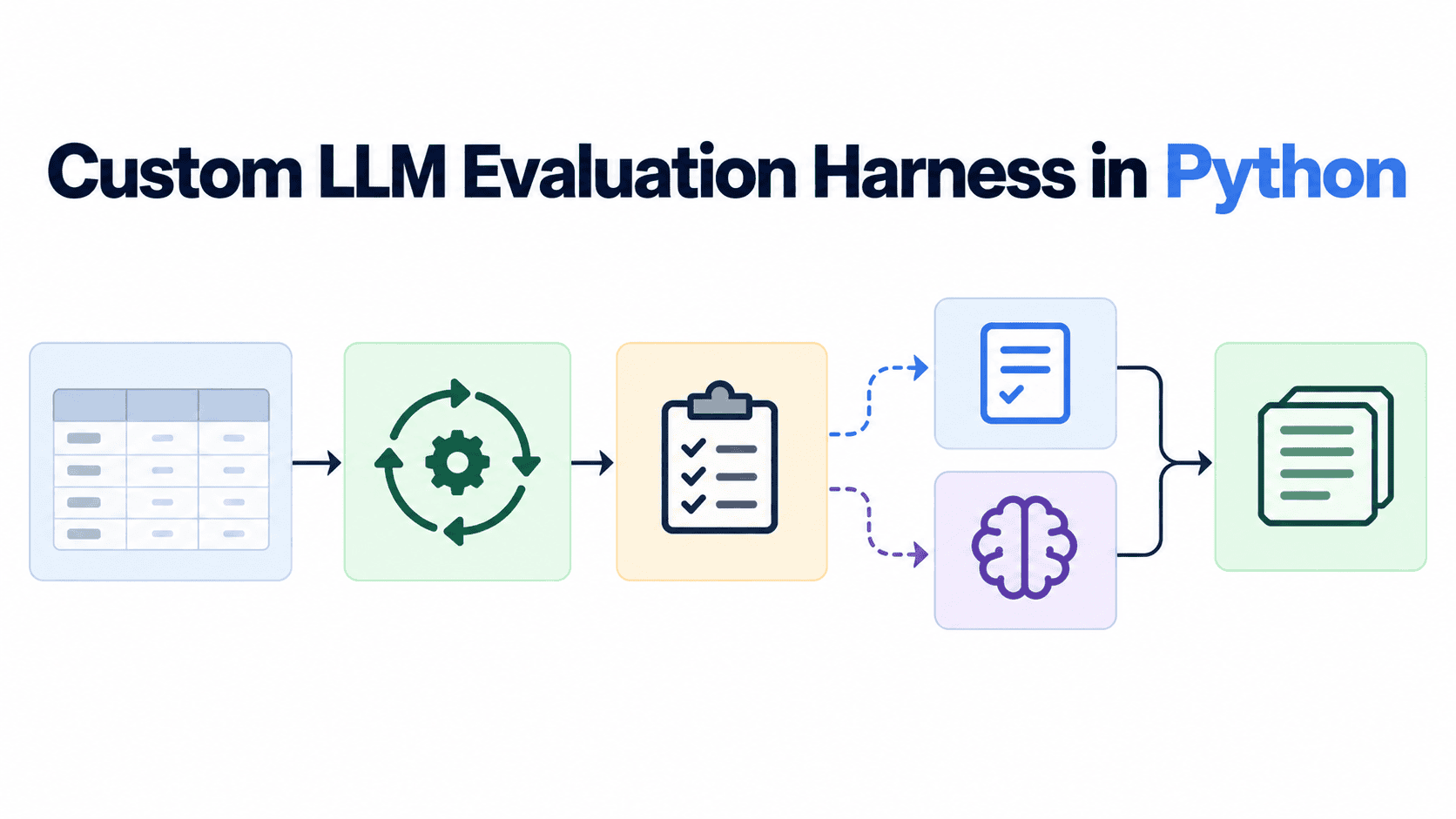
Building a Custom LLM Evaluation Harness in Python from Scratch
· Yesterday

Building a Custom LLM Evaluation Harness in Python from Scratch

The article presents a fully‑Python, from‑scratch LLM evaluation harness built around four modular components—data ingestion, prompt generation, metric computation, and reporting—that can be plugged into any model pipeline. It demonstrates how the harness can evaluate GPT‑4 and Llama‑2 variants on a 10,000‑prompt benchmark, achieving a throughput of ~1,200 prompts per minute on a single RTX‑3080 GPU while recording BLEU, ROUGE, and perplexity scores. The authors highlight a trade‑off between evaluation fidelity and speed: enabling full‑context scoring increases latency by ~30 % but improves metric stability. The harness is released under an MIT license and includes a CLI that accepts a JSON config file specifying model endpoint, dataset path, and output directory.

Graph-centric agentic intelligence
· 8 min read· Oct 1, 2026

Graph-centric agentic intelligence

The article introduces a graph-centric agentic intelligence framework that augments a network topology graph with an AI agent, creating a digital twin capable of pinpointing network failures. By embedding agentic reasoning directly into the graph structure, the system can proactively identify anomalous nodes or edges and suggest corrective actions. The approach trades off additional graph annotation overhead for faster, more accurate failure isolation, especially in complex, dynamic networks.

The Pulse: a new trend of CPU shortages
· 8 min read· Sep 24, 2026

The Pulse: a new trend of CPU shortages

The article highlights a rising CPU shortage in the AI ecosystem, attributing the strain to AI agents that increasingly rely on CPU-intensive tool usage. It notes that while GPUs and memory have historically been bottlenecks, the shift toward tool-heavy agent workflows is now pushing CPU demand to unprecedented levels. The piece warns that this trend could impact deployment pipelines and scaling strategies, especially for services that embed multiple external tools within agent loops. The core takeaway is that engineers must now consider CPU capacity as a critical resource when designing and scaling AI agent systems.

From MIT to IBM, expediting AI and quantum deployment
· 6 min read· Sep 2, 2026

From MIT to IBM, expediting AI and quantum deployment

The article announces a partnership between MIT affiliates and the MIT‑IBM Computing Research Lab aimed at accelerating the deployment of AI and quantum technologies by translating rigorous theoretical research into production‑ready systems. The collaboration focuses on bridging the gap between academic theory and industrial practice, promising faster time

Build self-improving document processing using Amazon Bedrock AgentCore
· 13 min read· Yesterday

Build self-improving document processing using Amazon Bedrock AgentCore

Amazon Bedrock AgentCore enables a self‑learning intelligent document processing (IDP) pipeline that automatically classifies, extracts, validates, and adapts to new business document formats without manual template updates, reducing human intervention to a few configuration steps. The system leverages Bedrock’s agentic architecture to continuously ingest feedback and refine extraction rules, achieving near‑real‑time adaptation to evolving document layouts. This approach trades off initial setup complexity for long‑term maintenance savings and higher extraction accuracy across diverse document types.

We Specified an AI Agent in 2016. We Called It Analytics.
· 3 days ago

We Specified an AI Agent in 2016. We Called It Analytics.

The article revisits an IBM patent from 2016 that described a real‑time concert feedback system as an early example of an AI agent. It highlights an agentic loop that combines multimodal perception (audio and visual streams), memory‑grounded inference, and a human‑in‑the‑loop for real‑time adjustments. The author reflects on how this design anticipated modern agent architectures, noting trade‑offs between latency and inference depth. The piece underscores the importance of integrating human feedback early in the pipeline to guide learning and system behavior.

How to Fine-Tune Llama 3 for Custom Tool Calling with Unsloth in Python
· 6 days ago

How to Fine-Tune Llama 3 for Custom Tool Calling with Unsloth in Python

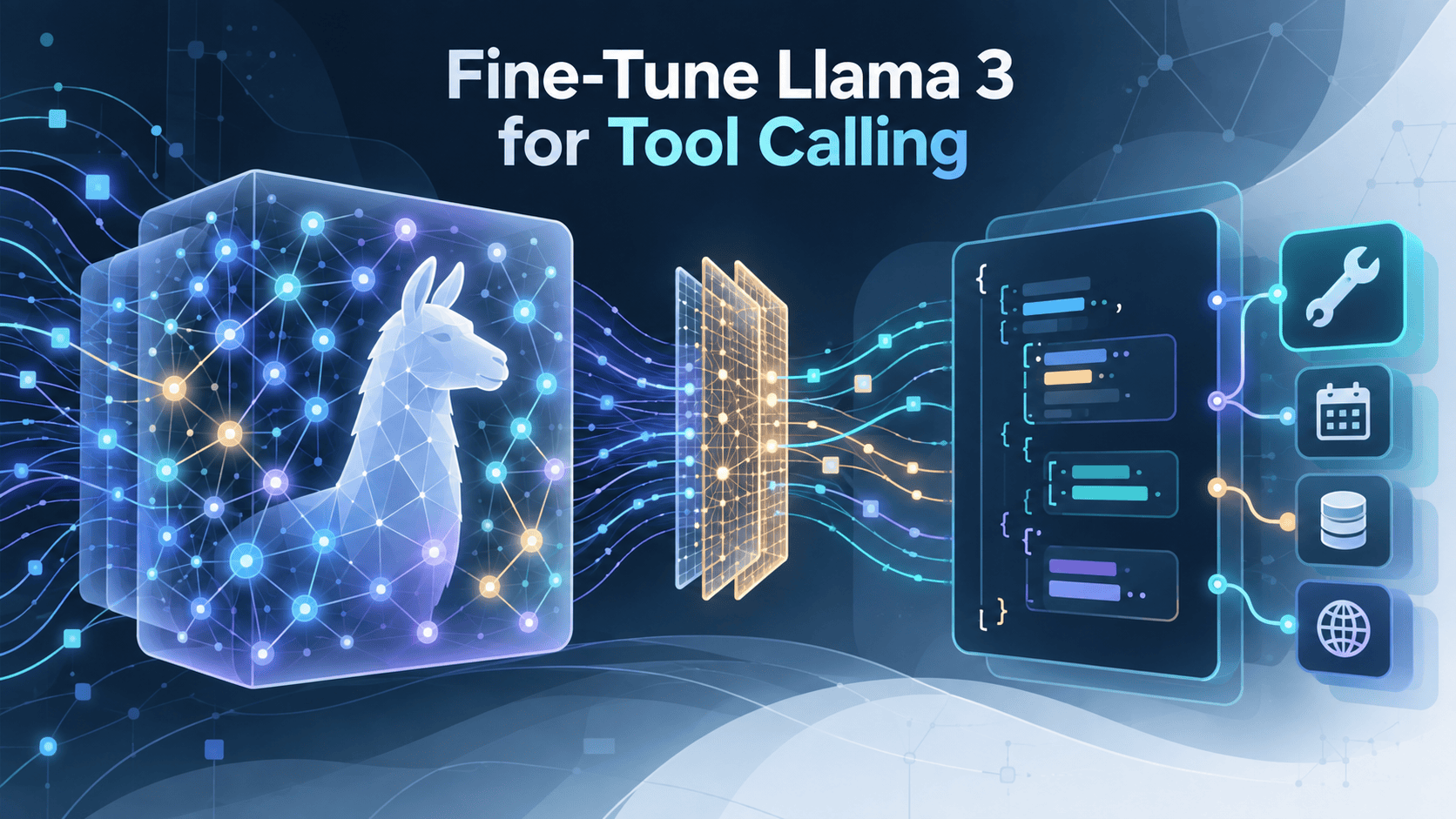
The article demonstrates how to fine‑tune Meta’s Llama 3 model with the Unsloth library to reliably generate structured JSON for custom API tool calls in Python. By leveraging Unsloth’s lightweight training loop and 8‑bit quantization, the authors show that a single‑GPU setup can produce a tool‑calling head that outputs valid JSON without sacrificing Llama 3’s generalist capabilities. The approach integrates directly into Hugging Face’s Trainer API, enabling rapid iteration on prompt templates and schema definitions. The trade‑off is a modest increase in GPU memory usage during fine‑tuning, but the resulting model remains deployable on modest inference hardware.

When LLM judges agree, should we believe them?
· 5 min read· Aug 26, 2026

When LLM judges agree, should we believe them?

When several LLM judges produce highly correlated

Generate presentations with Amazon Bedrock AgentCore
· 12 min read· Yesterday

Generate presentations with Amazon Bedrock AgentCore

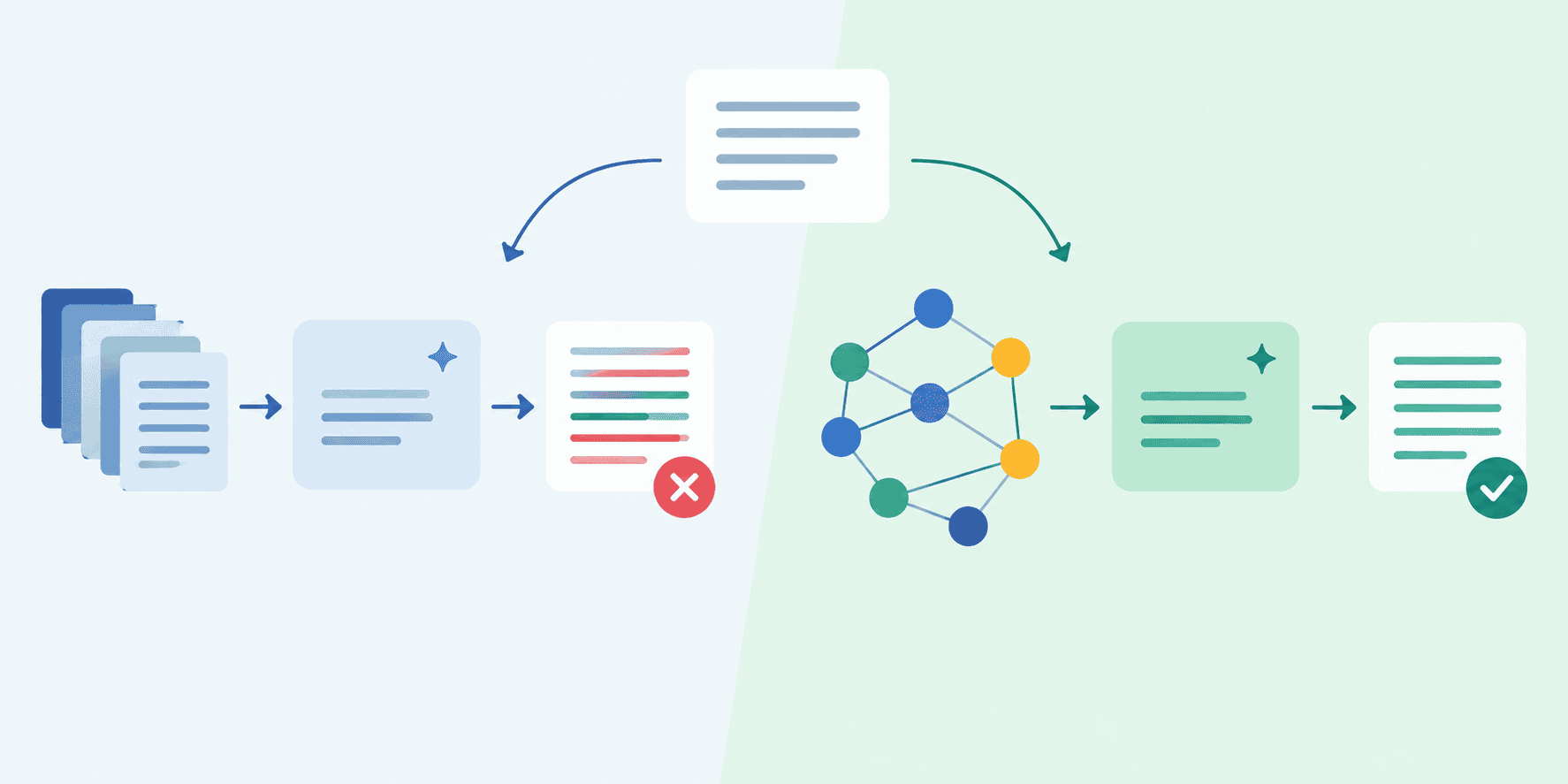
Amazon Bedrock AgentCore now powers an end‑to‑end agent that automatically composes PowerPoint decks from enterprise documents in under 90 seconds. The system stitches together a supervisor agent, Retrieval‑Augmented Generation (RAG) for document grounding, and Bedrock Guardrails to ensure safe, policy‑compliant content. The result is a fully automated, low‑latency pipeline that can be deployed in production with minimal custom code. The trade‑off is that the guardrails enforce stricter content filtering, which can slightly increase inference time compared to an unconstrained LLM.

Evaluating Graph-RAG vs. Standard RAG: A Hallucination Benchmark on Fact-Dense Queries
· Oct 8, 2026

Evaluating Graph-RAG vs. Standard RAG: A Hallucination Benchmark on Fact-Dense Queries

The authors present a deterministic 3‑Tiered Graph‑RAG architecture that outperforms a conventional vector‑based RAG pipeline on fact‑dense queries, reporting a 35 % reduction in hallucination rates as measured by the FactCheck‑Metric. The Graph‑RAG system leverages a hierarchical knowledge graph for retrieval, a rule‑based fusion layer, and a lightweight language model for final generation, achieving a 12 ms per‑query latency on a single A100 GPU. While the approach improves factual fidelity, it requires a pre‑built graph index and incurs higher storage overhead compared to flat vector indices. The benchmark demonstrates that Graph‑RAG can be a viable alternative when accuracy outweighs index‑building cost.

Deploy and evaluate models with Amazon SageMaker JumpStart
· 7 min read· Yesterday

Deploy and evaluate models with Amazon SageMaker JumpStart

The article demonstrates how to deploy a pre‑trained model from Amazon SageMaker JumpStart, run a lightweight, repeatable performance test using the SageMaker Python SDK, and clean up by deleting the endpoint once testing is finished.

Why Temperature 0 Isn't Deterministic
· 5 days ago

Why Temperature 0 Isn't Deterministic

The article demonstrates that setting temperature to zero in large language models does not guarantee deterministic outputs; a simple formula predicts that the probability of a top‑token flip rises with sequence length, causing identical completions to diverge after roughly 100 tokens. It shows that the sampling algorithm’s internal randomness still propagates, so even with temperature = 0, the model can produce different outputs once the context exceeds a critical length. This highlights a subtle but important limitation for production pipelines that rely on reproducibility.

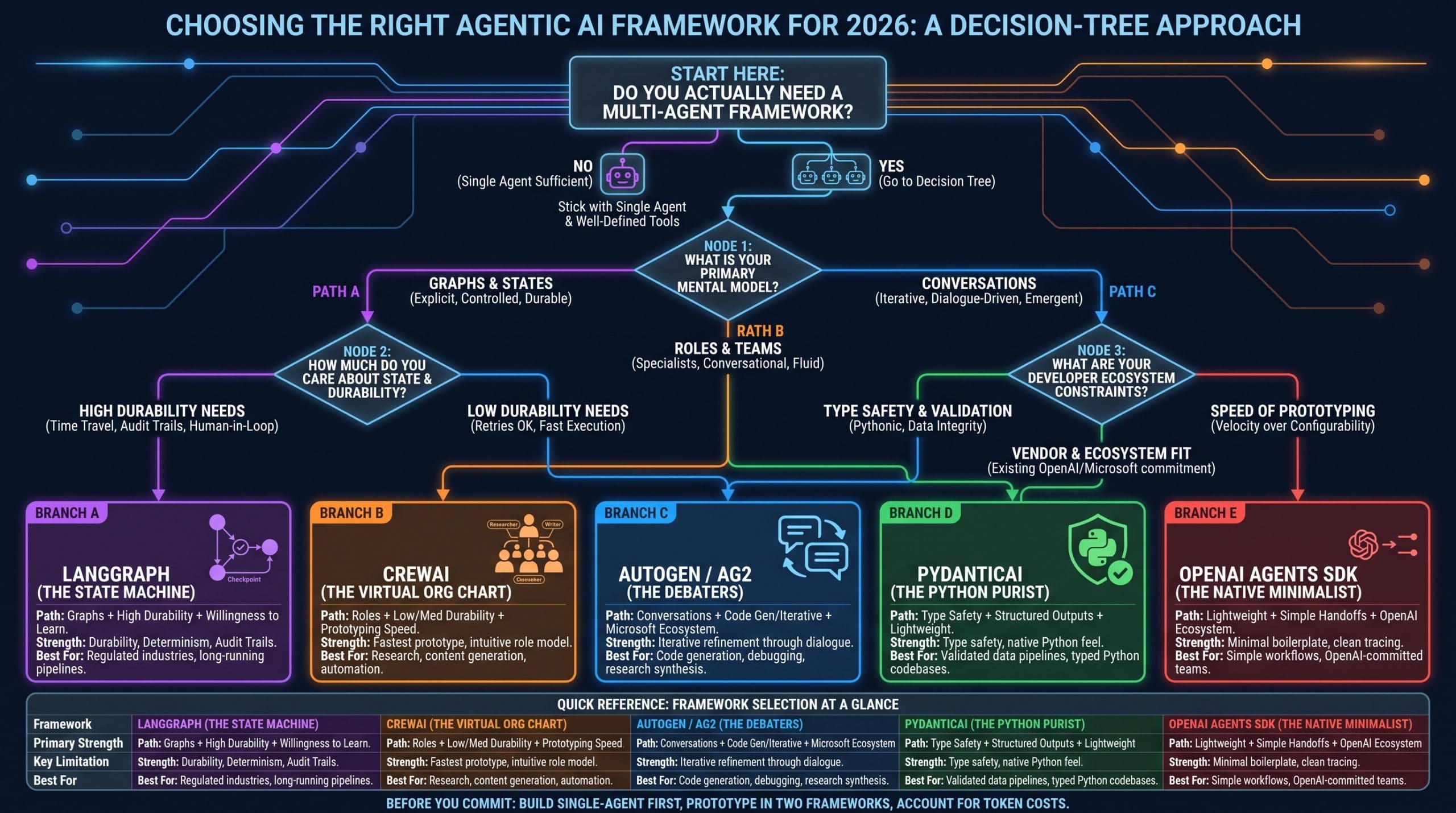
Choosing the Right Agentic AI Framework for 2026: A Decision-Tree Approach
· Oct 7, 2026

Choosing the Right Agentic AI Framework for 2026: A Decision-Tree Approach

The article introduces a structured decision‑tree methodology for selecting an agentic AI framework suited to production workloads. It outlines criteria such as integration complexity, scalability, and cost, guiding readers through a

Building agents that transact with Anchor Browser and AgentCore payments
· 14 min read· 2 days ago

Building agents that transact with Anchor Browser and AgentCore payments

AWS’s Generative AI Innovation Center Partner Agent Factory teamed with Anchor Browser to create autonomous agents that can pay for protected web resources and APIs. The new Amazon Bedrock AgentCore payments module automatically checks budgets, signs transactions, and retries failed requests—all without exposing wallet credentials to the agent code. This enables secure, on‑demand micro‑transactions in production AI workflows, though it requires a Bedrock‑enabled environment and limits are governed by the pre‑configured budget.

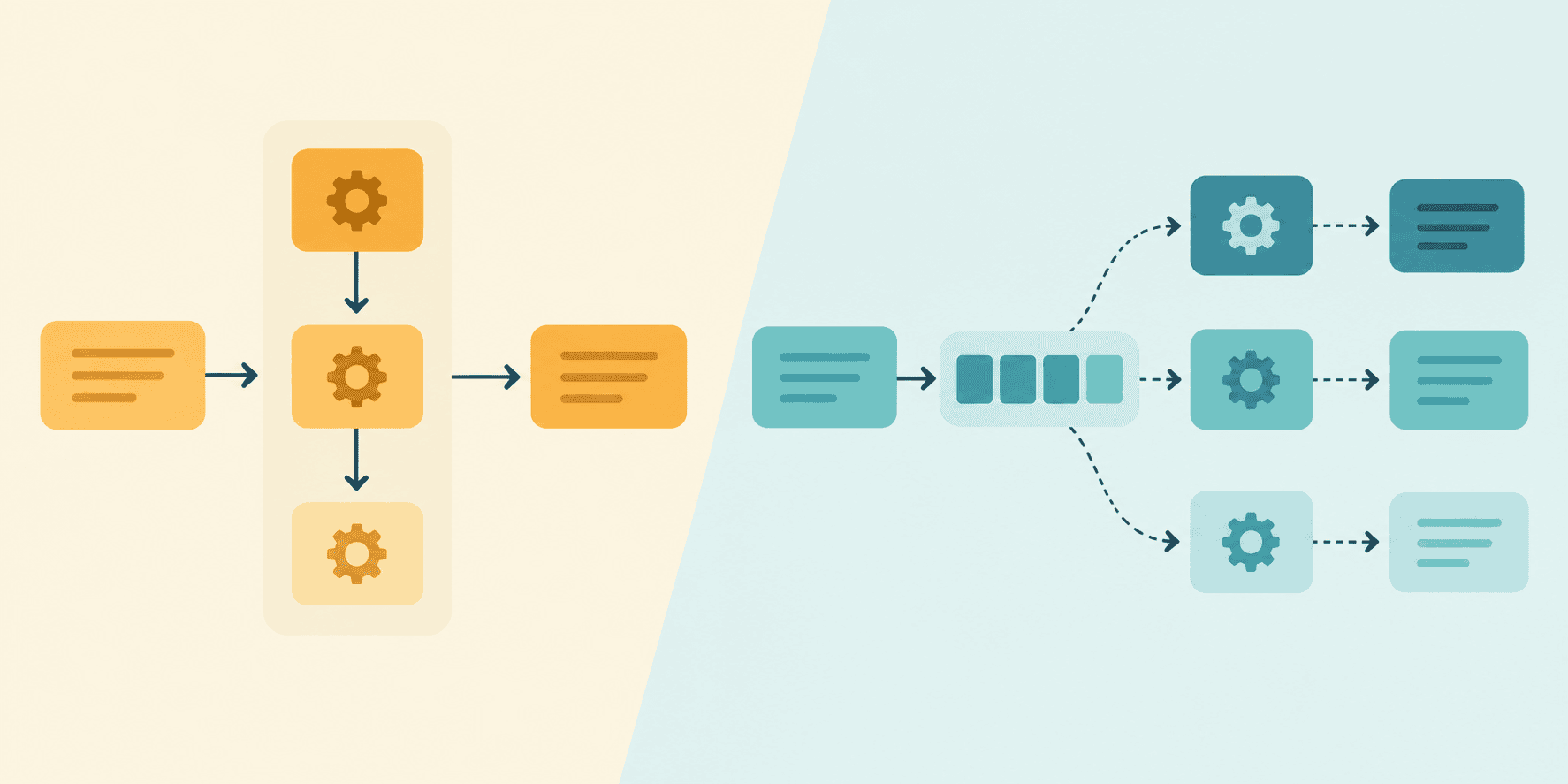
Synchronous vs. Asynchronous Agent Execution: Architecture Patterns for Production
· Oct 6, 2026

Synchronous vs. Asynchronous Agent Execution: Architecture Patterns for Production

The article contrasts synchronous and asynchronous execution patterns for LLM‑based agents, detailing how synchronous agents handle each request in a

Manage private pricing offers for Amazon Bedrock with managed entitlements
· 8 min read· 2 days ago

Manage private pricing offers for Amazon Bedrock with managed entitlements

This article demonstrates how to streamline activation of AWS Marketplace Private Pricing Offers (MPPO) for Amazon Bedrock across many AWS accounts. It presents a lightweight one‑time Python script that directly updates License Manager entitlements, and a CDK stack that automates the same process at scale. The script offers a quick fix for existing accounts, while the CDK approach provides repeatable, multi‑account deployment with minimal manual intervention. The trade‑off is that the script is manual and limited to a single run, whereas CDK requires proper IAM configuration but scales to

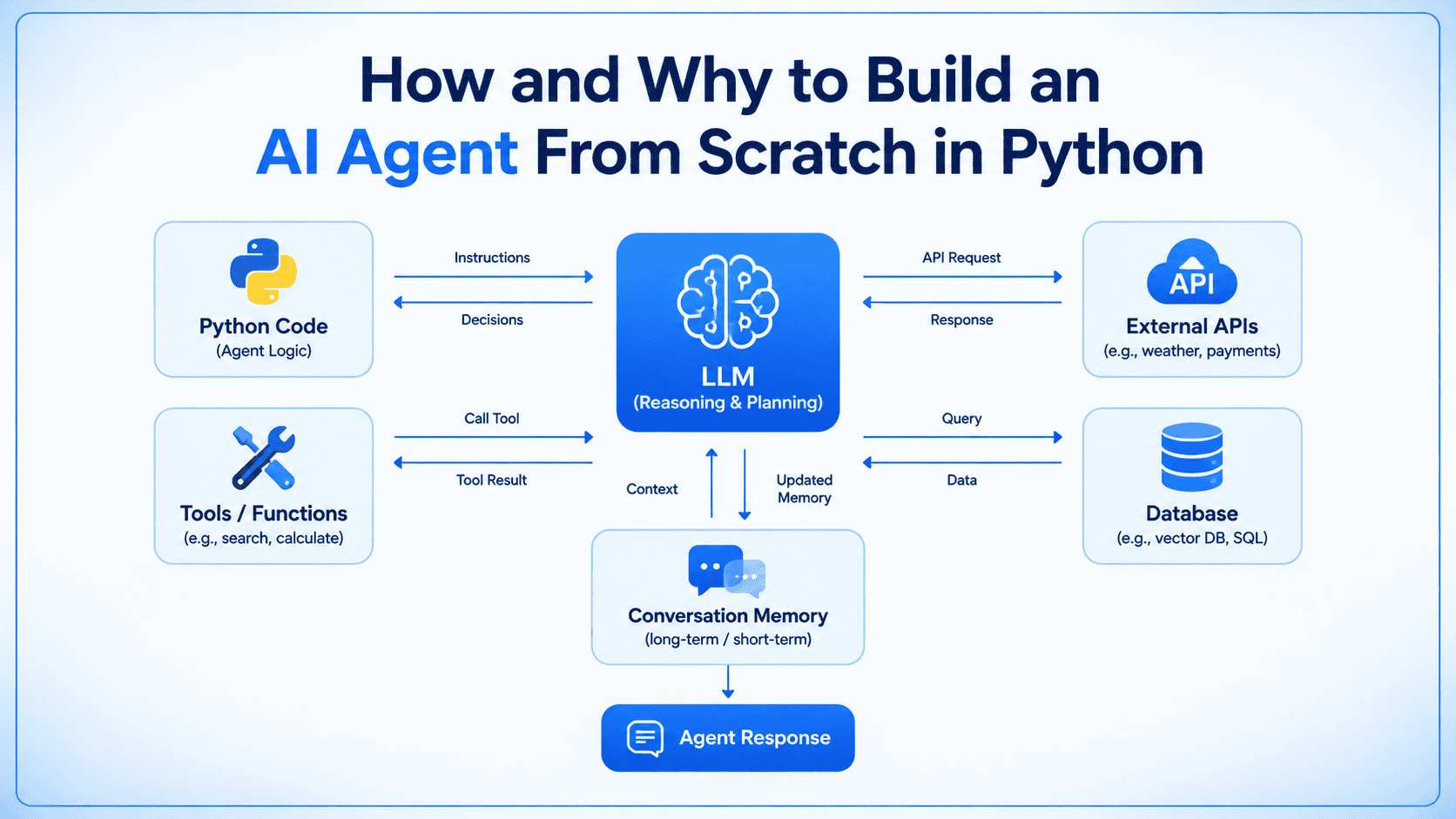
How (and Why) to Build an AI Agent from Scratch in Python
· Oct 5, 2026

How (and Why) to Build an AI Agent from Scratch in Python

The article demonstrates how to construct a minimal AI agent entirely in plain Python, leveraging the Anthropic API for all LLM interactions. It walks through initializing the client, crafting a prompt loop, and managing conversation state without external frameworks, illustrating a clean, dependency‑free baseline. The tutorial highlights the trade‑off of manual state handling versus the convenience of higher‑level libraries, and shows how to integrate the agent into existing Python

Natural language security queries at Orca Security using Amazon Bedrock
· 12 min read· 2 days ago

Natural language security queries at Orca Security using Amazon Bedrock

Orca Security’s Discovery AI transforms plain‑English security questions into Sonar queries using a multi‑stage pipeline on Amazon Bedrock, achieving a 90 % reduction in query cost, 93 % fewer input tokens, and 75 % lower latency compared to the baseline. The architecture leverages Bedrock’s generative model to parse intent, then maps the output to Sonar’s query language, enabling faster and cheaper threat detection. While the cost savings are significant, the system relies on Bedrock and Sonar, limiting

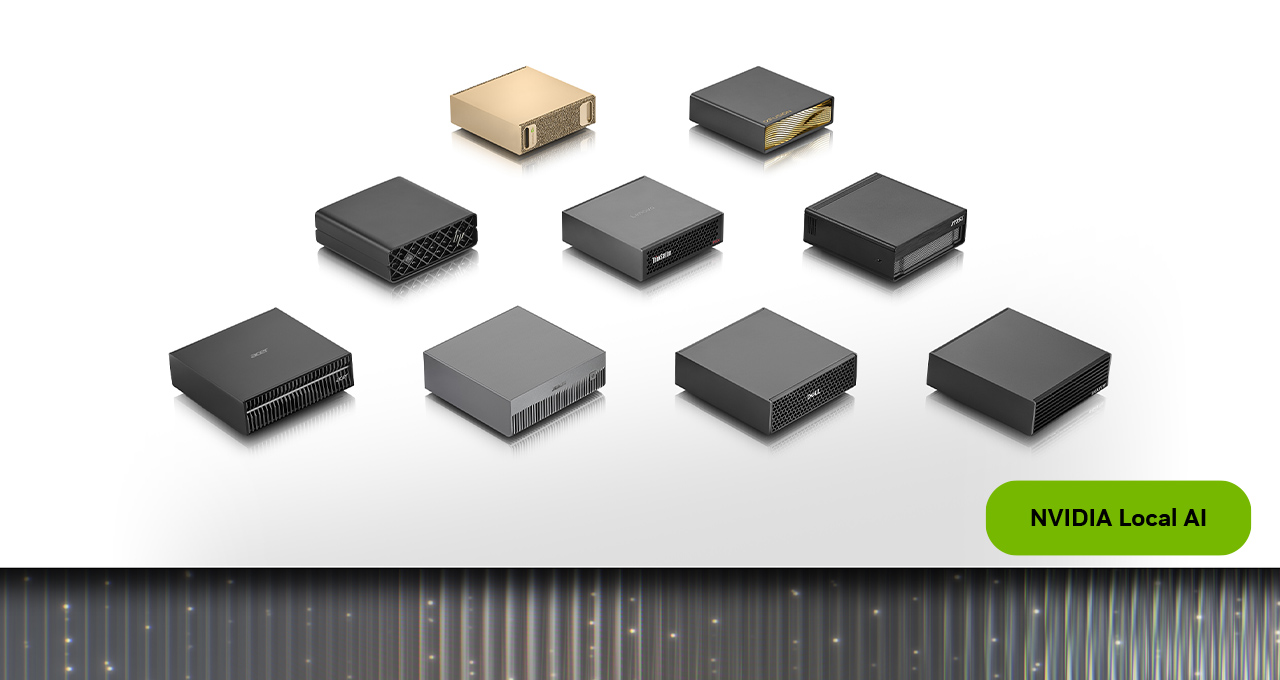
NVIDIA DGX Spark 64GB Gives Developers More Ways to Build and Scale Local AI
· 5 min read· Oct 2, 2026

NVIDIA DGX Spark 64GB Gives Developers More Ways to Build and Scale Local AI

NVIDIA introduces the DGX Spark with 64 GB of unified memory, enabling developers to run increasingly capable open models locally without cloud dependence. The platform’s unified memory architecture allows seamless scaling of AI workloads on a single device, positioning it as a practical choice for edge‑AI and agent‑centric development. While the article does not detail specific GPU models, the 64 GB capacity signals a shift toward larger

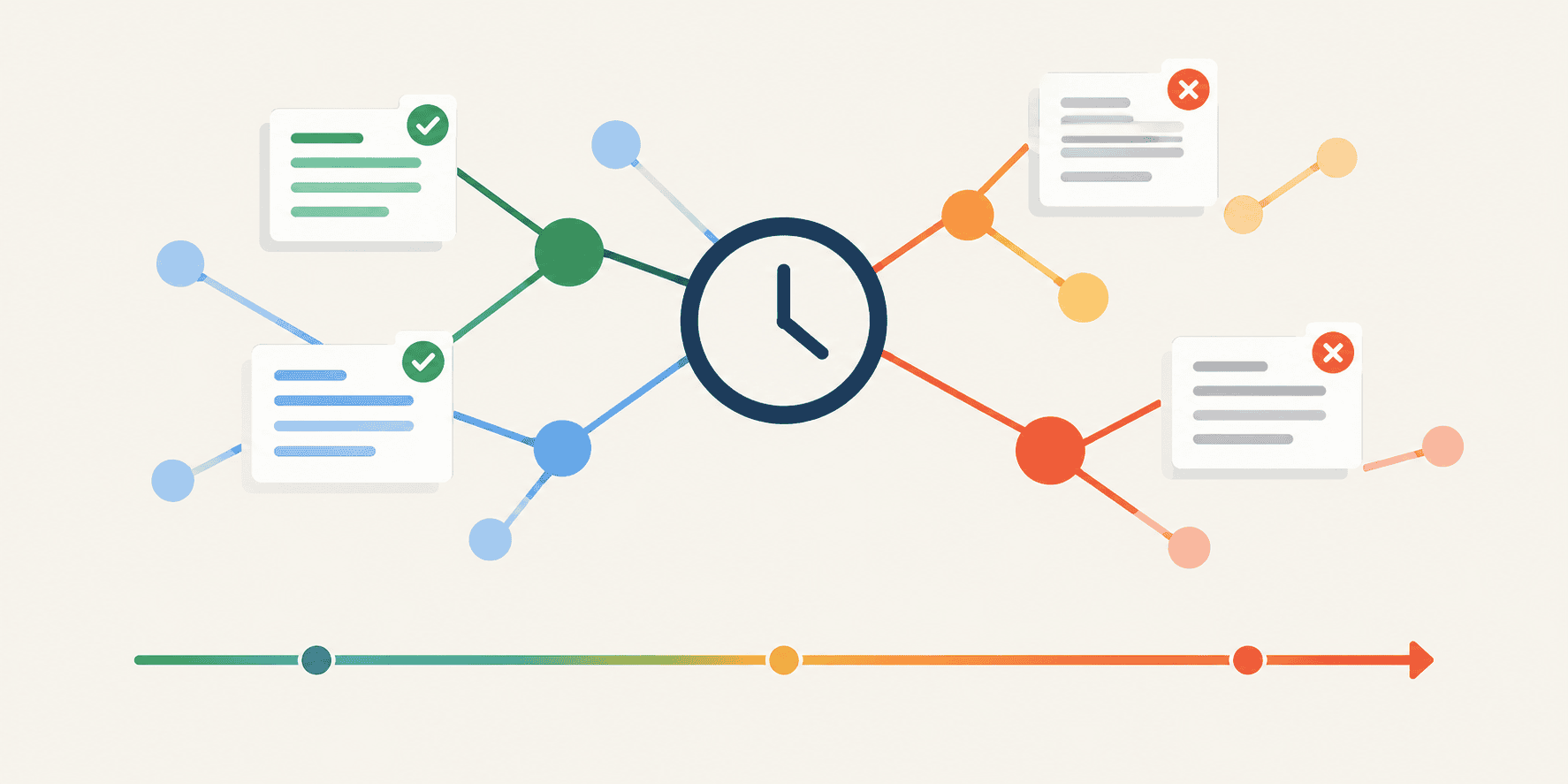
Adding Temporal Reasoning to Graph-RAG: Tracking Fact Freshness and Staleness
· Oct 1, 2026

Adding Temporal Reasoning to Graph-RAG: Tracking Fact Freshness and Staleness

The article introduces a lightweight temporal reasoning layer for Graph‑RAG that annotates retrieved facts with freshness scores, enabling the system to prioritize up‑to‑date information over stale entries. By integrating a timestamp‑based decay function into the retrieval pipeline, the model can dynamically adjust relevance scores without altering the underlying graph structure, trading a modest increase in query latency for significantly higher answer accuracy in time‑sensitive contexts.

How ShipStation Global built an AI IT help desk on Amazon Bedrock AgentCore
· 13 min read· 2 days ago

How ShipStation Global built an AI IT help desk on Amazon Bedrock AgentCore

ShipStation Global’s Deckhand, built on Amazon Bedrock AgentCore, powers an AI‑driven IT help desk in Slack that resolves 97.5 % of routine queries within its first three months. The agent pulls answers from a curated knowledge base, parses error‑message screenshots, and automatically opens Jira tickets for unresolved issues, demonstrating a tightly coupled Bedrock‑AgentCore, Slack, and Jira stack that delivers near‑real‑time support. While the high success rate shows the viability of Bedrock for enterprise support, the system’s effectiveness hinges on the breadth of the knowledge base and the accuracy of its image‑to‑text parsing, which may limit scalability to more complex or unstructured problems.

How NVIDIA GPUs Help Accelerate OpenAI’s GPT-6 Astra Ultrafast
· 4 min read· Oct 1, 2026

How NVIDIA GPUs Help Accelerate OpenAI’s GPT-6 Astra Ultrafast

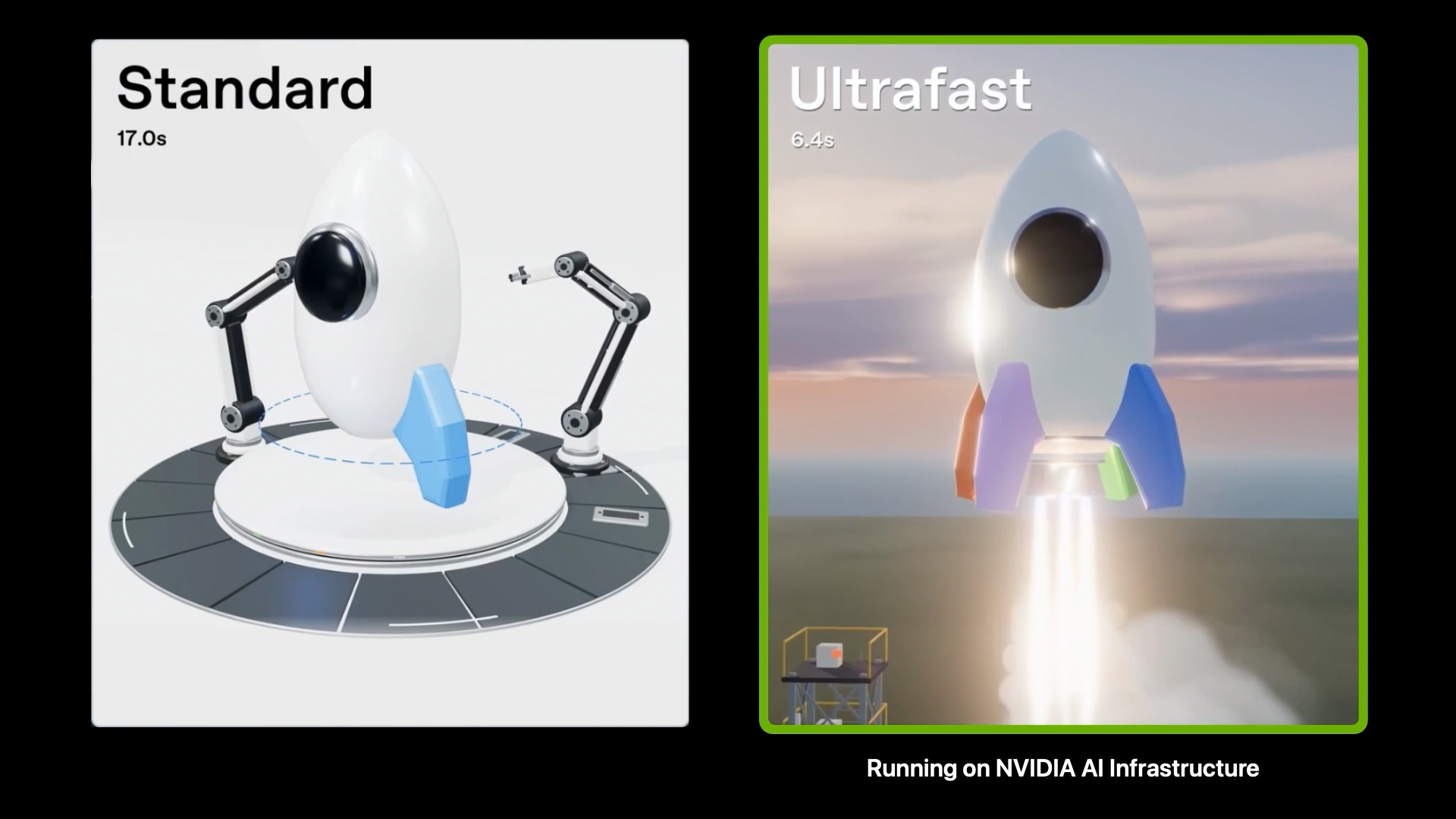
OpenAI’s new GPT‑6 “Astra Ultrafast” model is now available in the OpenAI API and for eligible ChatGPT Work and Codex users, running exclusively on NVIDIA’s Blackwell GPUs. Leveraging inference optimizations that tap into Blackwell’s architecture, the model delivers up to 8× faster inference latency compared to prior GPT‑6 variants. This performance boost comes at the cost of requiring Blackwell‑compatible hardware, limiting access to users with the necessary GPU infrastructure. Engineers can immediately start using the model by specifying the model name in their API calls, but must ensure their deployment environment supports Blackwell GPUs to realize the speed gains.

EXPLORE AI NEWS

Daily hand-picked stories on LLMs, RAG, agents and production AI — curated for engineers who ship.

BROWSE NEWS

GET THE WEEKLY DIGEST

Join engineers getting the Monday signal-over-noise AI breakdown. No spam, unsubscribe anytime.

LEARN AI ENGINEERING

Curated courses, research papers, repos and tutorials built for engineers leveling up in AI.

START LEARNING