Best AI Engineering Podcasts
Expert discussions on LLMs, agents, RAG and production AI — updated weekly.
New Releases
8 17 min
 1h 20m
 1h 8m
1h 8m 55 min
 1h 4m11 min
 1h 2m11 min
New episode with Noam Brown. We talk about multi-agent, Navier-Stokes, and what the current explosion of maths progress tells us about what happens once you automate AI research. And we also discuss how we will know if…
View Episode →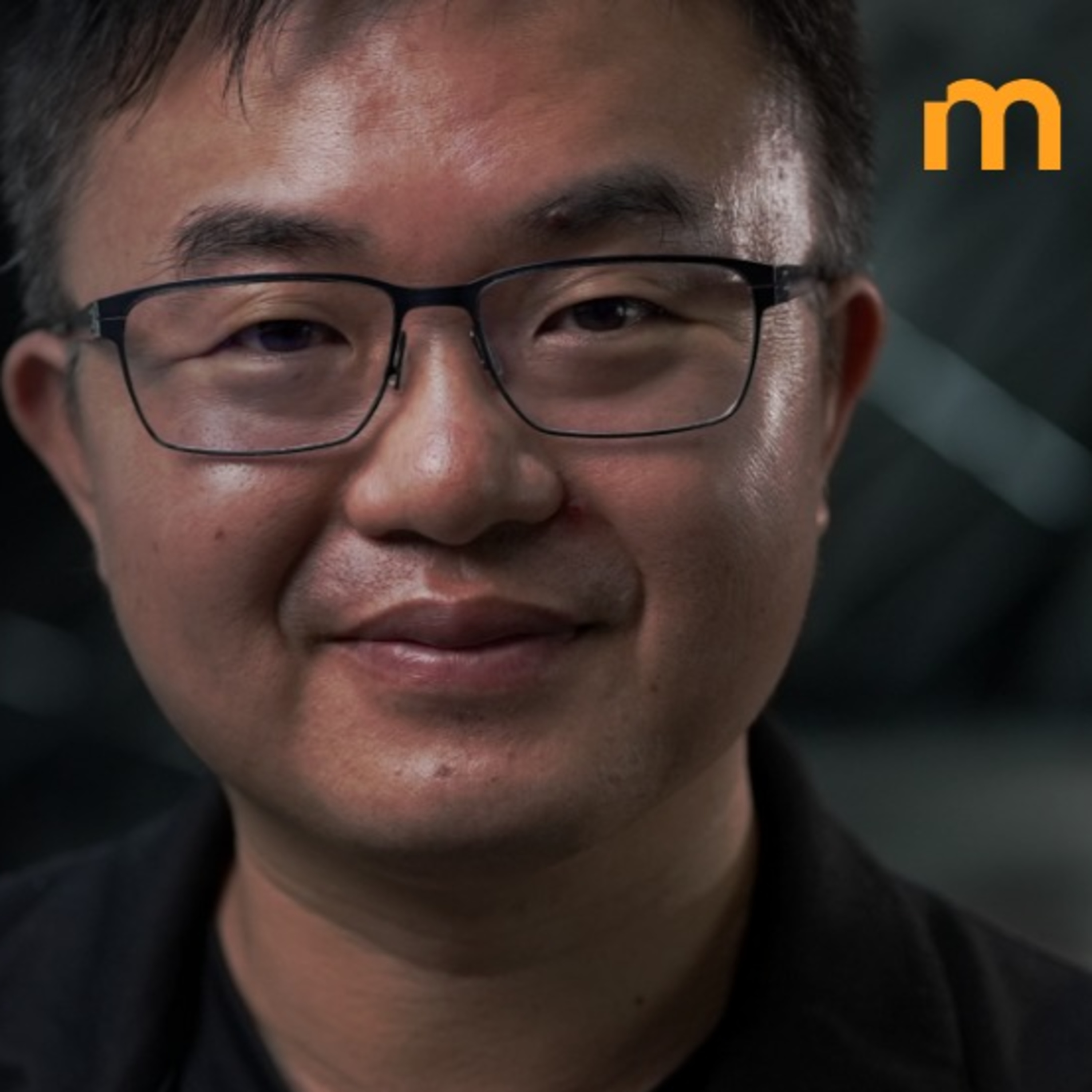
The car making a left turn at the start of this episode was never filmed. Cosmos 3 generated it. Ming-Yu Liu, who leads the Cosmos research at NVIDIA, explains how one model can describe a video, generate one, and…
View Episode →
We’re announcing AIEWF speakers this week! Take the AI Engineering Survey! Today’s guest Ethan first joined us for the LS Paper Club as the lead on NVIDIA Cosmos World Model, but then joined xAI and built Grok Imagine…
View Episode →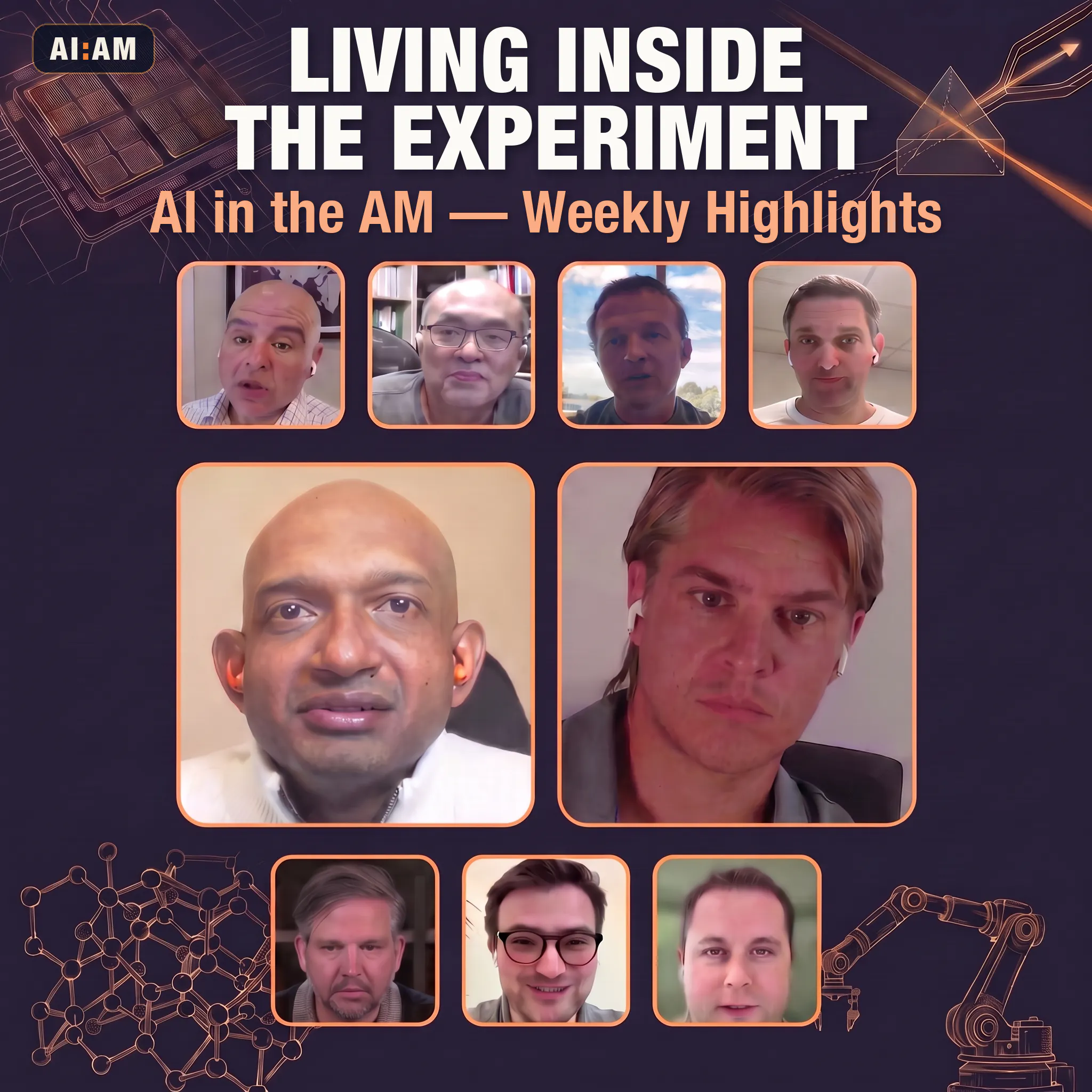
In this AI:AM Highlights episode, Nathan Labenz and Prakash revisit three live mornings with Louis Kirsch and Damon Falck of Inherent Laboratories, Vercel CTO Malte Ubl, Genesis Molecular AI CTO Sergey Edunov, Arm’s…
View Episode →
MCP (Multi-Cloud Platform) leverages Kubernetes to manage and orchestrate AI-native applications, enabling enterprises to deploy and scale AI agents across multiple cloud environments. ToolHive, an emerging infrastructure, facilitates identity management, agent orchestration, and system architecture to manage entire fleets of AI agents working behind the scenes.
View Episode →In this episode, we explore Figure's latest advancements in humanoid robotics, specifically their ability to perform general tasks in diverse environments. This breakthrough opens up exciting possibilities for the…
View Episode →Zapier CEO Wade Foster joins Nathan to explore the shift toward headless AI tools and how Zapier MCP brings workflows and context directly into users' daily drivers. Drawing on data from Zapier's AutomationBench, Foster…
View Episode →AI search is changing how people discover information and how brands need to think about visibility. Daniel and Chris talk with Liam Dunne and Ben Moore, co-founders of Discovered Labs, about the shift from traditional…
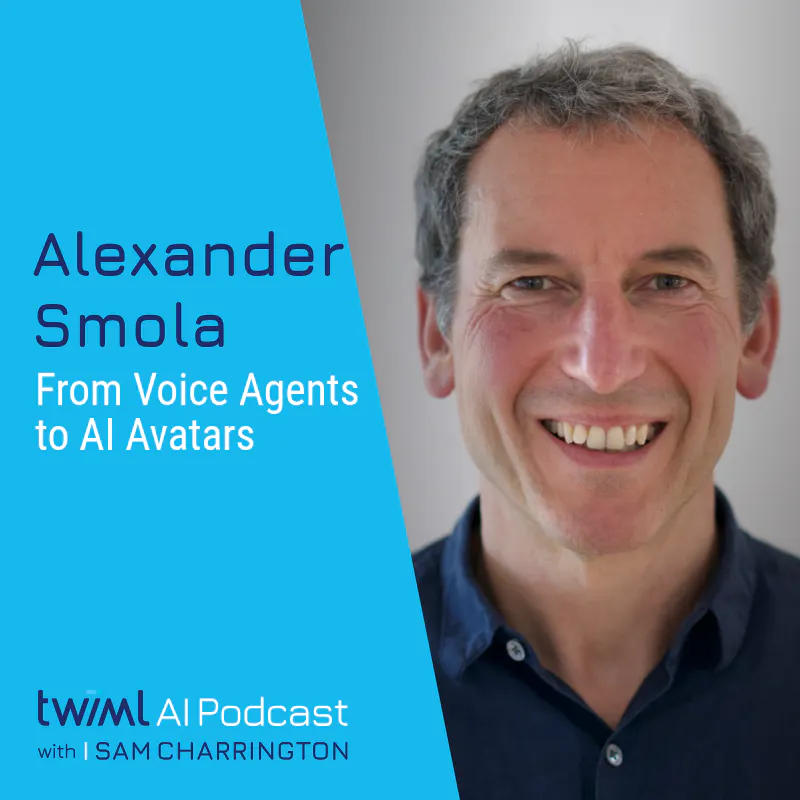
View Episode →Voice AI has gotten remarkably good, but natural conversation remains a high bar. Small delays, awkward interruptions, or the wrong tone can quickly break the illusion—and adding vision and visual presence only raises…
View Episode →Jim VandeHei joins Henrik and Jeremy around the launch of his new book, Simplify: Do 50% More With 50% Less, co-authored with Mike Allen and Roy Schwartz. In the conversation, Jim shares how he’s leading Axios through…
View Episode →
Want a repeatable workflow for turning a simple concept into polished AI video content using tools like Seedance? I interview Ross Symons to discover a step-by-step process for producing professional-quality AI video,…
View Episode →
Subscribe to AI Agents Podcast Channel: https://link.jotform.com/subscribe-to-podcast In this episode of the AI Agents Podcast, host Demetri Panici sits down with Aidan Mirza, founder and CEO of Fellow, to explore how…
View Episode →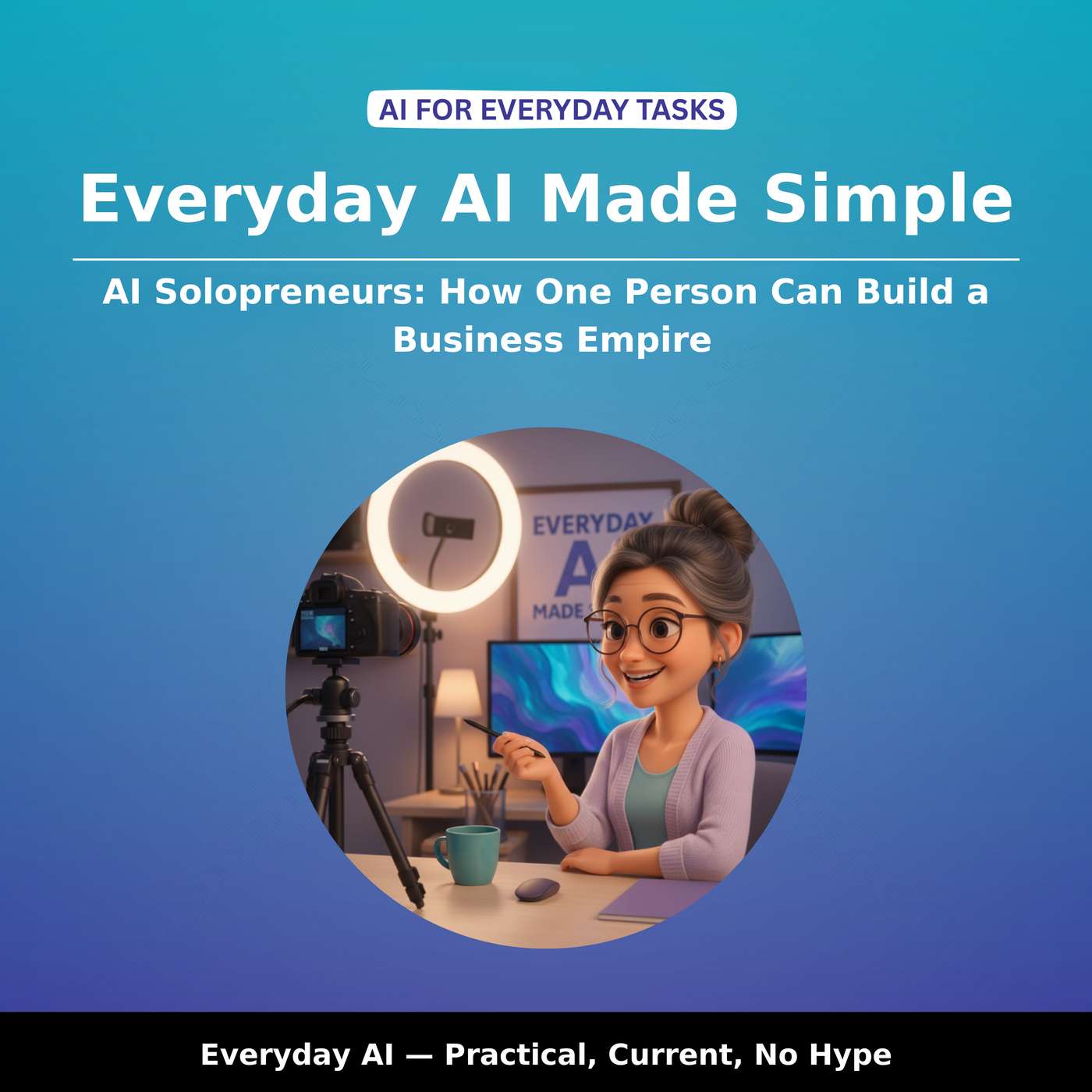
What happens when artificial intelligence becomes your marketing department, assistant, operations team, and business analyst all at once? In this episode, we explore the growing world of AI-powered solopreneurs and the…
View Episode →
The discussion revolves around the inherent contradiction in company structures, where founders prioritize customer impact but legally serve shareholders first, leading to mission drift over time. Governance is treated as a legal formality rather than a design problem, with Eric Ries arguing that AI exacerbates this issue, making it more urgent for companies to prioritize their original mission.
View Episode →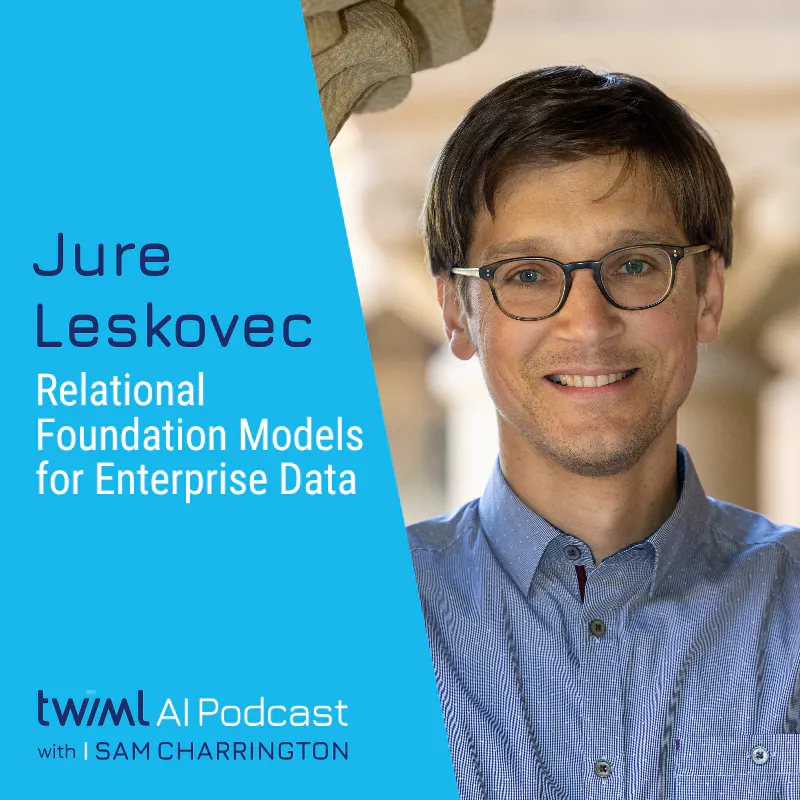
The Relational Foundation Model (RFM2) utilizes in-context learning over subgraphs to make accurate predictions on new databases and tasks without explicit training. RFM2 benchmarks against RelBench and other multi-table datasets, demonstrating its effectiveness in real-world deployments at companies like Reddit, DoorDash, and Coinbase.
View Episode →
GPT-5.5 demonstrates improved performance compared to Opus 4.6, with enhanced capabilities in specific domains, but its overall architecture and training data differ significantly from Opus. The discussion highlights the trade-offs between GPT-5.5's strengths and Opus's unique characteristics, underscoring the ongoing evolution of large language models in the AI landscape.
View Episode →
The podcast discusses the complexities of AI adoption, highlighting its paradoxical nature of being both brilliant and resource-heavy, with a focus on its practical applications and limitations. Key takeaways include AI's potential to create "invisible" economic value, its struggles with simple physical tasks, and the growing importance of energy use, water consumption, and transparency in AI development.
View Episode →