How Companies Are Using NVIDIA DSX to Break the Power Bottleneck
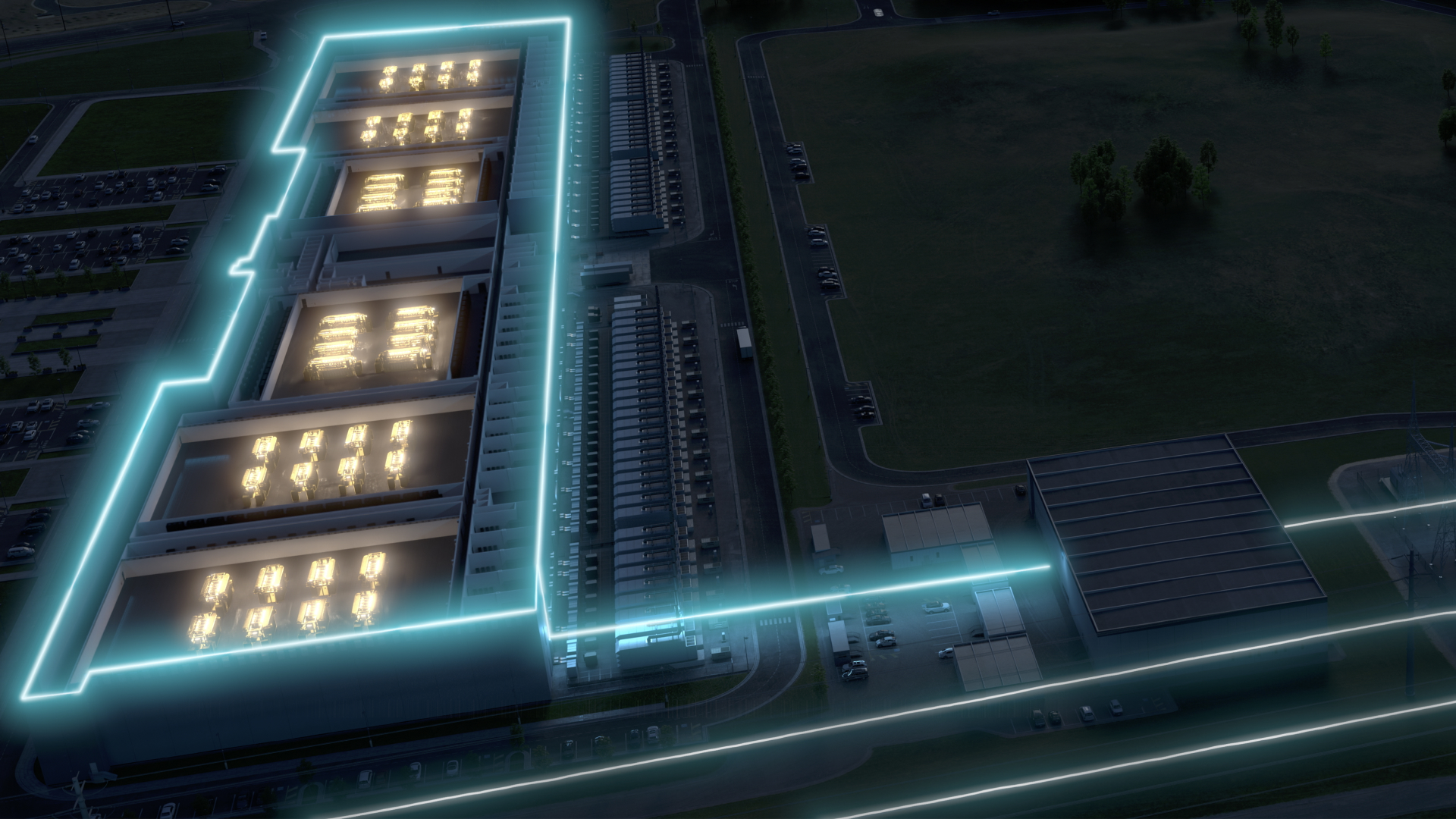
NVIDIA DSX AI Factory Platform unifies grid, substation, and AI compute systems to tackle the power bottleneck, offering simulation (DSX Sim, SimReady), flexible load management (DSX Flex), and efficiency‑boosting components (DSX MaxLPS, DSX Exchange). Early adopters report up to 10 % more compute within the same power envelope and potential to unlock up to 100 GW of underused U.S. grid capacity. The platform integrates with industry partners (GE Vernova, Hitachi Energy, Schneider Electric, Siemens Energy) and NVIDIA tools such as Omniverse, RAPIDS, Metropolis, and Isaac Sim. Engineers can leverage these assets to design, simulate, and operate AI‑powered data centers that maximize token output per watt while improving grid reliability.
⚡ Key Takeaways
- Phaidra achieved roughly 10 % more compute per watt by integrating DSX Flex, DSX Max‑Q, and DSX Exchange.
- DSX Flex synchronizes AI factory demand with real‑time grid conditions, turning static loads into flexible grid assets.
- DSX MaxLPS and DSX Exchange “squeeze more compute from every watt” and securely share signals across compute, networking, energy, cooling, and operations.
- Integration points include NVIDIA Omniverse‑powered digital twins, SimReady assets, and RAPIDS/Metropolis/Isaac Sim for monitoring and risk detection.
- Hitachi Energy’s battery storage system is certified as “NVIDIA DSX Ready,” requiring compliance with NVIDIA DSX reference architecture design requirements.
By consolidating power and compute planning into a single platform, engineers can cut latency between grid signals and AI workloads, boost token throughput per watt, and accelerate time‑to‑value for large‑scale AI deployments.
✅ Practical Steps
- Use NVIDIA DSX Sim and SimReady assets to co‑simulate grid, substation, and AI factory workloads before hardware deployment.
- Deploy DSX Flex to dynamically align AI compute demand with real‑time grid conditions and onsite generation.
- Incorporate DSX MaxLPS and DSX Exchange to optimize power‑to‑compute efficiency and enable secure cross‑domain signal sharing.
Want the full story? Read the original article.
Read on NVIDIA Blog ↗