NVIDIA Introduces New Jetson Thor Computers to Advance Mainstream Robotics and Edge AI
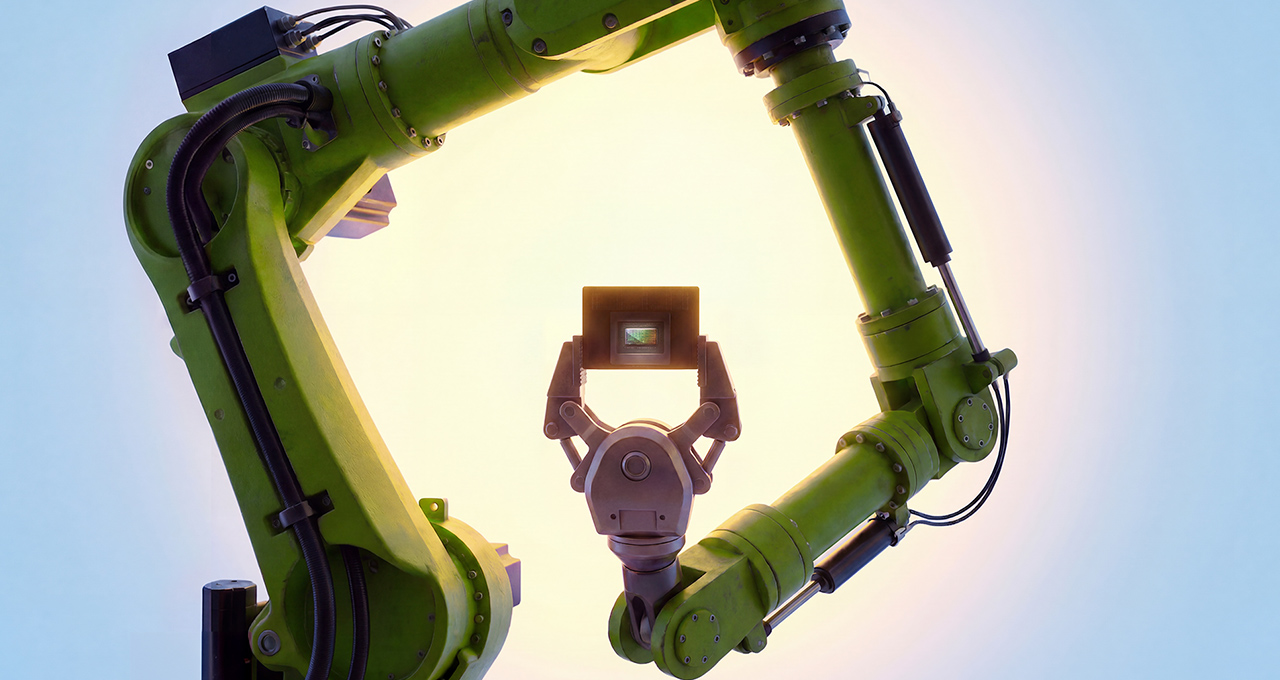
NVIDIA has introduced the T3000 and T2000 modules based on the NVIDIA Thor architecture, enabling mass-market robotics and edge AI applications at scale. The Jetson T3000 delivers 865 FP4 teraflops of AI compute in a compact form factor, while the Jetson T2000 brings Thor architecture to a broader range of edge AI systems with 400 FP4 teraflops of compute. These new modules offer a scalable edge AI platform, allowing developers to address virtually any edge AI workload. The introduction of these modules has significant implications for engineers building AI systems, as they provide a more efficient and cost-effective way to deploy AI at the edge.
⚡ Key Takeaways
- The Jetson T3000 delivers 865 FP4 teraflops of AI compute and has a memory bandwidth of 273GB/s.
- The Jetson T2000 brings Thor architecture to a broader range of edge AI systems with 400 FP4 teraflops of compute and 16GB of memory.
- The new NVIDIA Jetson modules offer a scalable edge AI platform spanning performance from 70 TOPS to 2,000 teraflops.
- The newly released Jetson agent skills automate memory optimization, system configuration, and deployment tasks, enabling developers to optimize the entire software stack and achieve significant memory savings.
- Companies have achieved substantial memory savings through software optimization, with some reducing memory usage by up to 15GB.
The introduction of the T3000 and T2000 modules has significant implications for engineers building AI systems, as they provide a more efficient and cost-effective way to deploy AI at the edge. This can lead to faster deployment, lower system cost, and the flexibility to move down one memory SKU within the same product tier without compromising performance.
✅ Practical Steps
- Develop and deploy edge AI applications using the new NVIDIA Jetson T3000 and T2000 modules.
- Utilize the newly released Jetson agent skills to automate memory optimization, system configuration, and deployment tasks.
- Optimize the entire software stack to achieve significant memory savings and reduce system cost.
Want the full story? Read the original article.
Read on NVIDIA Blog ↗