New chip could help tiny robots traverse complex environments
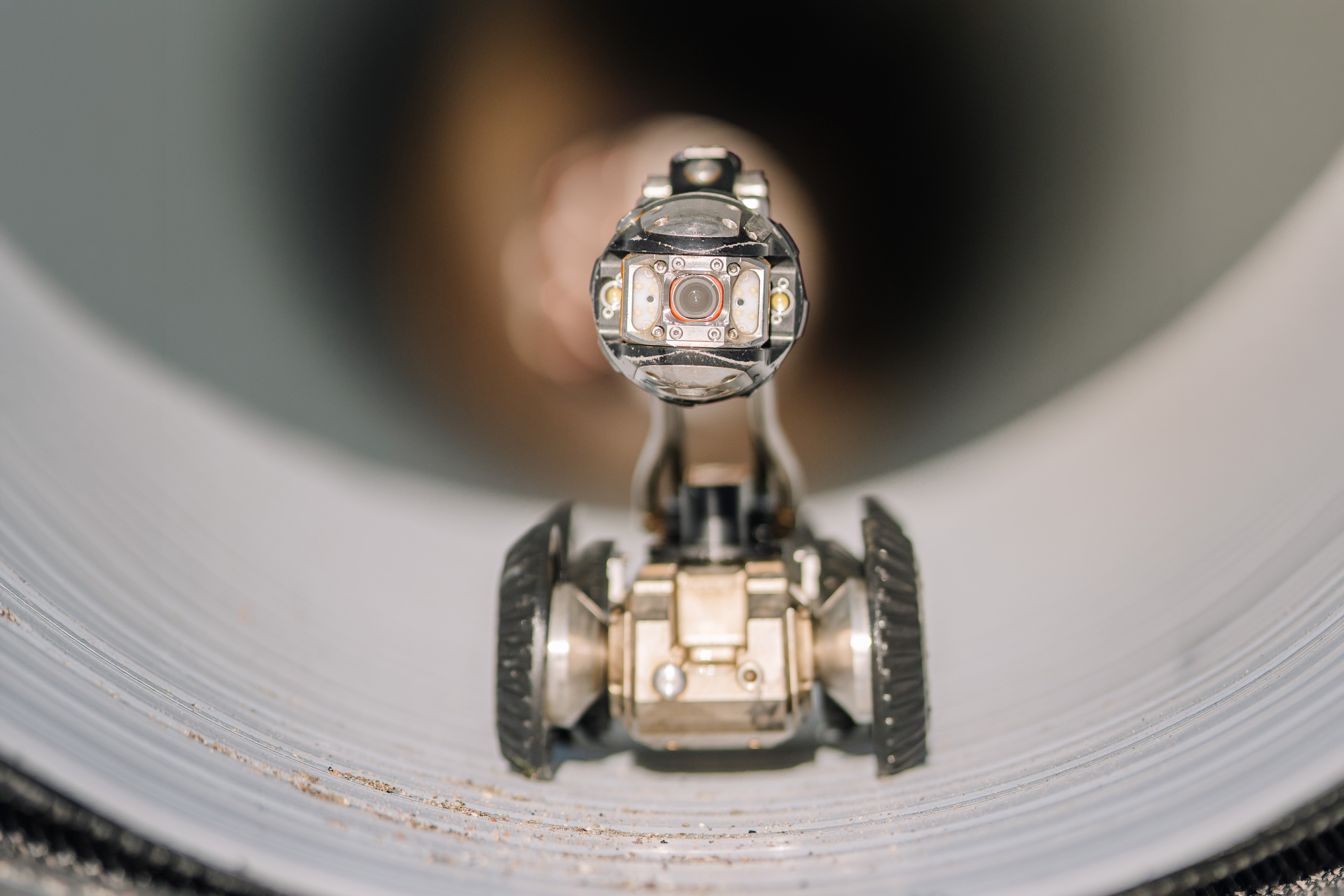
MIT researchers have developed a new chip that enables tiny robots to construct detailed 3D maps of their environments in real-time using only about 6 milliwatts of power. The chip, called Gleanmer, combines an efficient mapping algorithm with specialized hardware to minimize memory and power consumption. This allows small autonomous robots to plan collision-free paths and navigate complex environments. The practical implication for engineers building AI systems is the potential to create more efficient and power-conscious navigation systems for robots and other devices.
⚡ Key Takeaways
- The new chip consumes only about 6 milliwatts of power, a fraction of the power required by other systems.
- The chip uses a technique called GMMap that maps obstacles in space using ellipsoid blobs called Gaussians, which can be smoothly adapted to match the shape of curved objects.
- The Gleanmer system-on-a-chip allows for compact 3D mapping, making it well-suited for applications like lightweight augmented reality headsets.
- The chip's low-power operation and compact mapping capabilities make it suitable for use in small autonomous robots and other battery-limited devices.
- The researchers' approach combines an extremely efficient mapping algorithm with specialized hardware designed to accelerate its workload, minimizing memory and power consumption.
The development of this new chip has significant implications for engineers building AI systems, particularly those working on robotics and autonomous systems. The ability to create efficient and power-conscious navigation systems could enable the widespread adoption of small autonomous robots in various industries.
✅ Practical Steps
- Apply the concepts from this article to your own system design, considering the use of efficient mapping algorithms and specialized hardware to minimize memory and power consumption.
- Explore the potential applications of the Gleanmer system-on-a-chip in your own work, such as in the development of lightweight augmented reality headsets or small autonomous robots.
Want the full story? Read the original article.
Read on MIT News AI ↗