How Diffusion Controller unifies and simplifies AI image generation
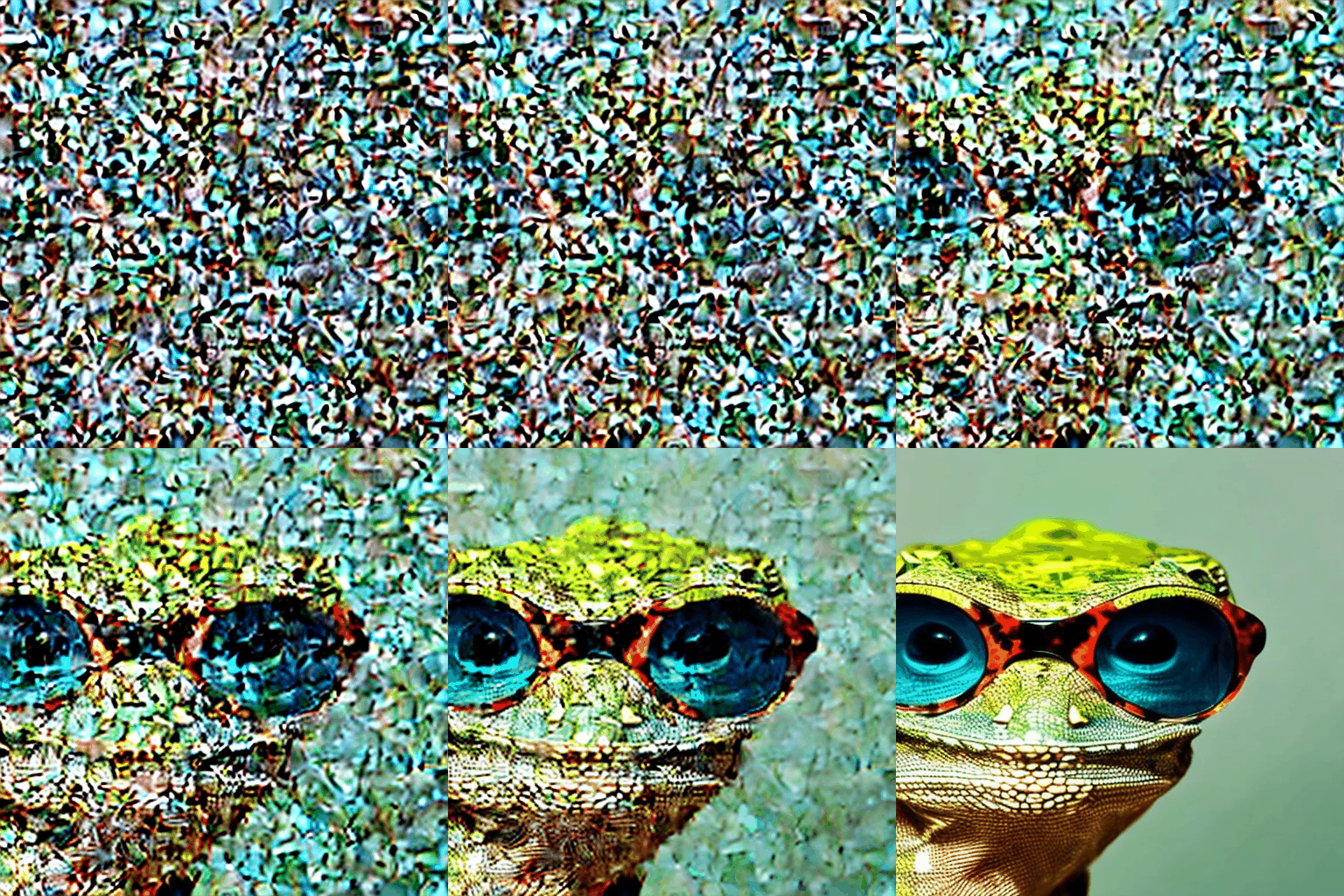
Diffusion Controller is a lightweight “steering damper” network that attaches to frozen text‑to‑image diffusion models (including closed‑source ones) to improve prompt alignment and image quality. In head‑to‑head evaluations its fully unlocked version achieved a 90% win rate over the baseline model, outperforming existing inference‑time guidance and fine‑tuning approaches. By reframing denoising as a continuous control problem, it dynamically recalibrates generation trajectories without modifying the base model’s weights. Engineers can thus gain precise control over generation while preserving model stability.
⚡ Key Takeaways
- 90% win rate over baseline in human‑preference matching tests.
- Implements a “steering damper” add‑on network that operates during the denoising diffusion process.
- Provides a principled continuous‑control formulation that balances alignment and image quality better than classifier‑free guidance or LoRA adapters.
- Can be attached to any pre‑trained diffusion model (including access‑restricted, closed‑source models) without altering the model’s parameters.
- Requires the base model to remain frozen; the controller is the only trainable component.
This approach lets production teams improve prompt fidelity and visual fidelity of diffusion outputs without costly model retraining or risking instability, accelerating deployment of reliable generative AI services.
✅ Practical Steps
- Integrate the Diffusion Controller network as an add‑on to your existing diffusion pipeline, keeping the base model weights frozen.
- Train or fine‑tune only the controller component on a target alignment objective (e.g., human preference data) before deployment.
- Replace existing inference‑time guidance (e.g., classifier‑free diffusion guidance) with the controller’s dynamic steering to achieve higher alignment scores.
Want the full story? Read the original article.
Read on Google Research ↗