Enterprises lost Claude Fable 5 for a few weeks. New data shows two-thirds had already built their hedge
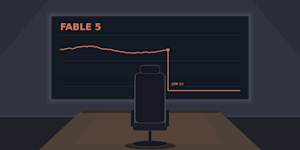
A recent survey of 145 enterprises by VentureBeat Pulse Research found that two-thirds had already hedged their AI model strategy before the U.S. export-control order pulled Anthropic's Claude Fable 5 model offline, with 51% blending closed frontier models with open-weight models and 16% moving core workflows off closed APIs entirely. The survey also revealed that most enterprises lack automated monitoring to detect AI model failures, with only 1 in 10 having such systems in place. This "Control Gap" between AI deployment and governance has resulted in 79% of enterprises taking a financial or operational hit from autonomous agents. The practical implication for engineers building AI systems is the need to prioritize vendor independence, monitoring, and governance to mitigate the risks associated with AI dependence.
⚡ Key Takeaways
- 51% of enterprises blend closed frontier models with open-weight models deployed on their own infrastructure.
- 16% of enterprises are moving core workflows off closed APIs entirely.
- Only 1 in 10 enterprises has automated monitoring to detect AI model failures.
- 79% of enterprises have taken a financial or operational hit from autonomous agents.
- The cost of Anthropic's Claude Fable 5 model is $10 per million input tokens and $50 per million output tokens.
The survey highlights the importance of vendor independence and monitoring in AI deployment, as enterprises that had hedged their model strategy were better equipped to handle the sudden loss of access to Claude Fable 5. This has significant implications for engineers building AI systems, who must prioritize governance and risk management to avoid the "Control Gap".
✅ Practical Steps
- Implement automated monitoring systems to detect AI model failures.
- Develop a hedged AI model strategy by blending closed frontier models with open-weight models.
- Consider moving core workflows off closed APIs to reduce vendor dependence.
Want the full story? Read the original article.
Read on VentureBeat AI ↗