Anthropic opens AI-powered biology research lab
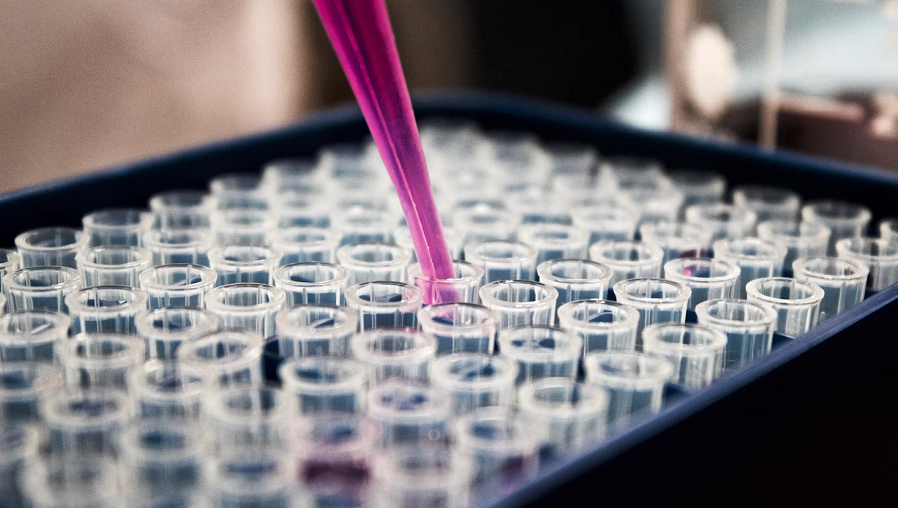
Anthropic PBC has launched a wet‑lab biology research facility in the San Francisco Bay Area, where robots will automate scientific tasks using the company’s Claude series of large language models. The integration of Claude into laboratory robotics marks a concrete step toward applying LLMs to experimental biology workflows. Engineers can expect new patterns for coupling LLM inference with physical automation, potentially accelerating hypothesis testing and data collection in research labs.
⚡ Key Takeaways
- Claude series LLMs will power the lab’s robotic automation.
- The lab combines AI language models with wet‑lab robotics to execute scientific protocols.
- Using LLM‑driven robots introduces a trade‑off between flexibility in task specification and the need for reliable, deterministic robot control.
- Integration will require connecting Claude’s API outputs to robot command interfaces.
- The initiative’s scope and specific research projects are not disclosed, limiting immediate reproducibility.
🔧 Tools & Libraries
Embedding LLMs like Claude into lab automation offers a template for building AI‑augmented experimental pipelines, enabling faster iteration cycles for biotech teams that can program robots via natural language.
✅ Practical Steps
- Connect Claude’s API to your robot control software to translate model outputs into executable commands.
- Design prompt templates that encode experimental protocols for the LLM to generate step‑by‑step instructions.
- Validate robot actions against safety and reproducibility standards before deployment.
Want the full story? Read the original article.
Read on SiliconANGLE AI ↗