Agentic system personalizes physical controls to help users “DJ their art”
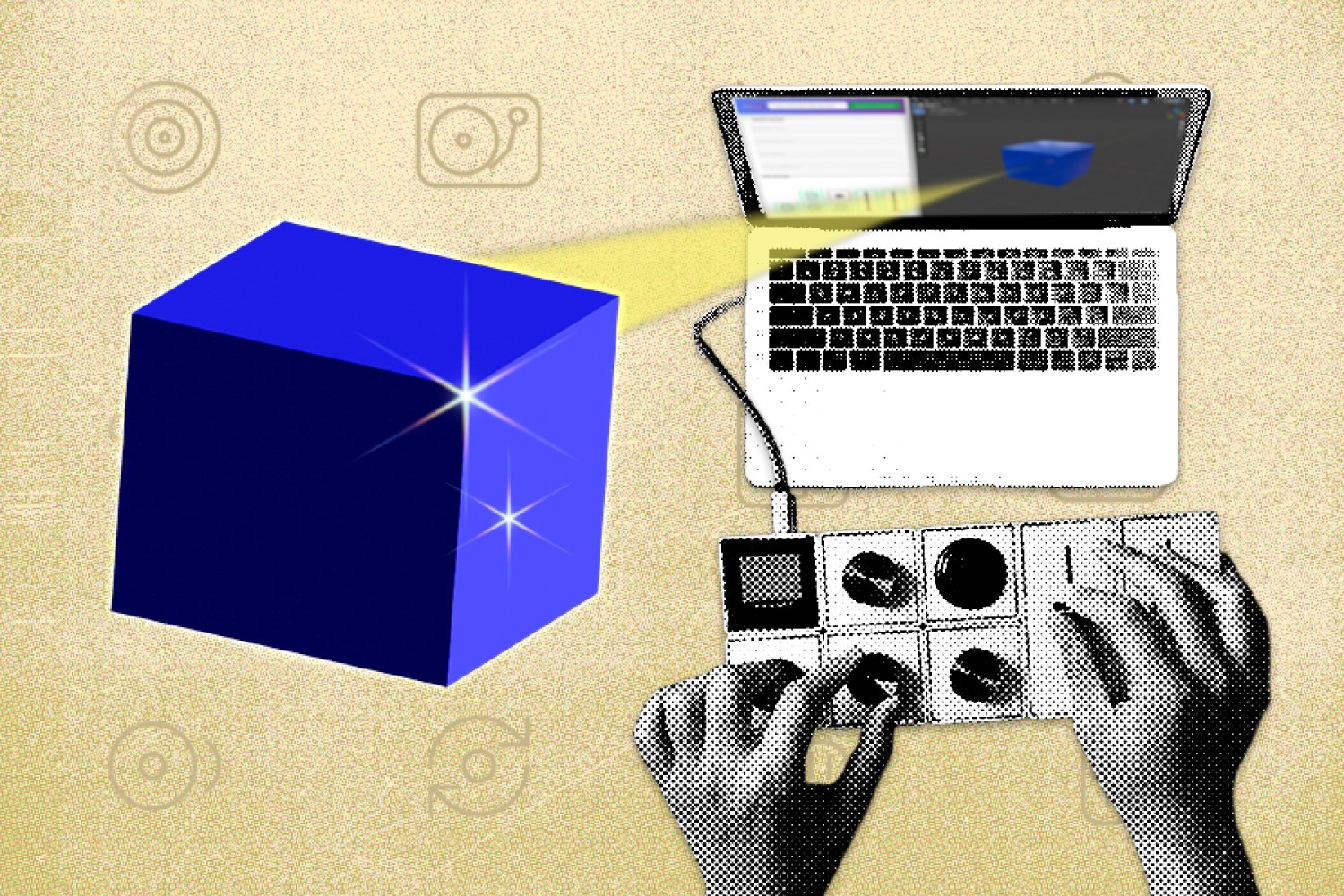
TangiMap is an AI‑agent‑driven system that dynamically maps physical controls (e.g., mixer knobs, pads) to digital functions in software such as Adobe Lightroom, sound‑mixing tools, Blender, and Adobe Character Animator. The agent gathers context from a program’s API, an MCP server, or a screenshot parsed by a vision‑language model, then uses a large language model to generate a mapping file that reassigns tangible inputs to new software actions. This enables eyes‑free, multi‑parameter adjustments that were previously limited to static, pre‑programmed controls. Engineers can leverage TangiMap to retrofit existing hardware with context‑aware, LLM‑generated control schemes for richer interactive experiences.
⚡ Key Takeaways
- TangiMap’s agent pulls context from a program’s API, an MCP server, or a screenshot interpreted by a vision‑language model.
- The architecture chains context collection → LLM processing → generation of a mapping file that binds digital functions to physical inputs.
- Trade‑off: dynamic reprogramming adds flexibility but depends on reliable API access or accurate vision‑language interpretation.
- Integration point: connect the AI agent to applications via an MCP server to expose the needed context.
- Limitation: the system requires either a documented API or a vision‑language model capable of interpreting UI screenshots; without these, mapping cannot be generated.
By turning generic hardware into context‑aware controllers, TangiMap lets engineers create more ergonomic, low‑latency interfaces for creative workflows without redesigning physical devices, accelerating prototyping of tactile AI‑enhanced tools.
✅ Practical Steps
- Use TangiMap’s agent to map a standard audio mixer’s knobs to Adobe Lightroom color‑adjustment controls, following the described workflow of context collection and LLM‑generated mapping.
- Connect your application to the agent through an MCP server to expose the program’s API or provide screenshots for vision‑language processing.
Want the full story? Read the original article.
Read on MIT News AI ↗