Can AI build a jet engine? JARVIS Challenge tests role of AI copilots in tough-tech engineering
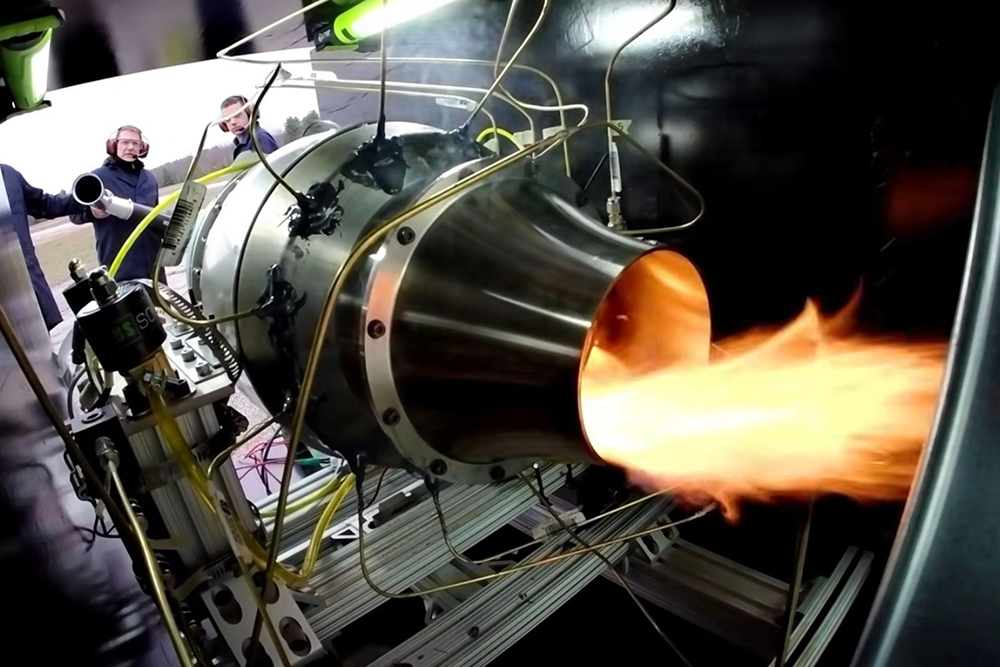
The JARVIS Challenge, a four-week competition, tasked MIT undergraduates with designing, fabricating, assembling, and testing a small gas turbine aero engine using AI as their primary engineering partner, with the goal of building a "JARVIS-class" single-spool jet engine producing 50-100 pounds of thrust. The challenge showed that AI can substantially accelerate safety-critical hardware engineering, but engineering judgment remains crucial. The use of AI tools, including MIT Parley, a platform that aggregates frontier large language models, allowed students to explore new design and manufacturing possibilities. The practical implication for engineers building AI systems is that AI can be a powerful tool in engineering design, but human judgment and expertise are still essential for complex physical systems.
⚡ Key Takeaways
- The JARVIS Challenge used AI to design and build a small gas turbine aero engine, with a goal of producing 50-100 pounds of thrust.
- MIT Parley, a platform that aggregates frontier large language models, was used by students to access AI tools and explore new design and manufacturing possibilities.
- The challenge showed that AI can substantially accelerate safety-critical hardware engineering, but engineering judgment remains the decisive differentiator.
- The use of AI tools allowed students to explore new design and manufacturing possibilities, but manufacturing remained the fundamental rate-limiting step.
- The cost per prompt and the specific LLMs being used were tracked through the Parley platform.
The JARVIS Challenge demonstrates the potential of AI to accelerate engineering design and manufacturing, but also highlights the importance of human judgment and expertise in complex physical systems. This has significant implications for engineers building AI systems, as it suggests that AI can be a powerful tool, but not a replacement for human expertise.
✅ Practical Steps
- Use AI tools, such as MIT Parley, to explore new design and manufacturing possibilities in engineering projects.
- Apply the concepts from this article to your own system design, considering the potential benefits and limitations of using AI in engineering design.
- Consider the importance of human judgment and expertise in complex physical systems, and how to effectively integrate AI tools into your design and manufacturing workflow.
Want the full story? Read the original article.
Read on MIT News AI ↗