AI agents cut critical research time for humanitarian teams in conflict zones
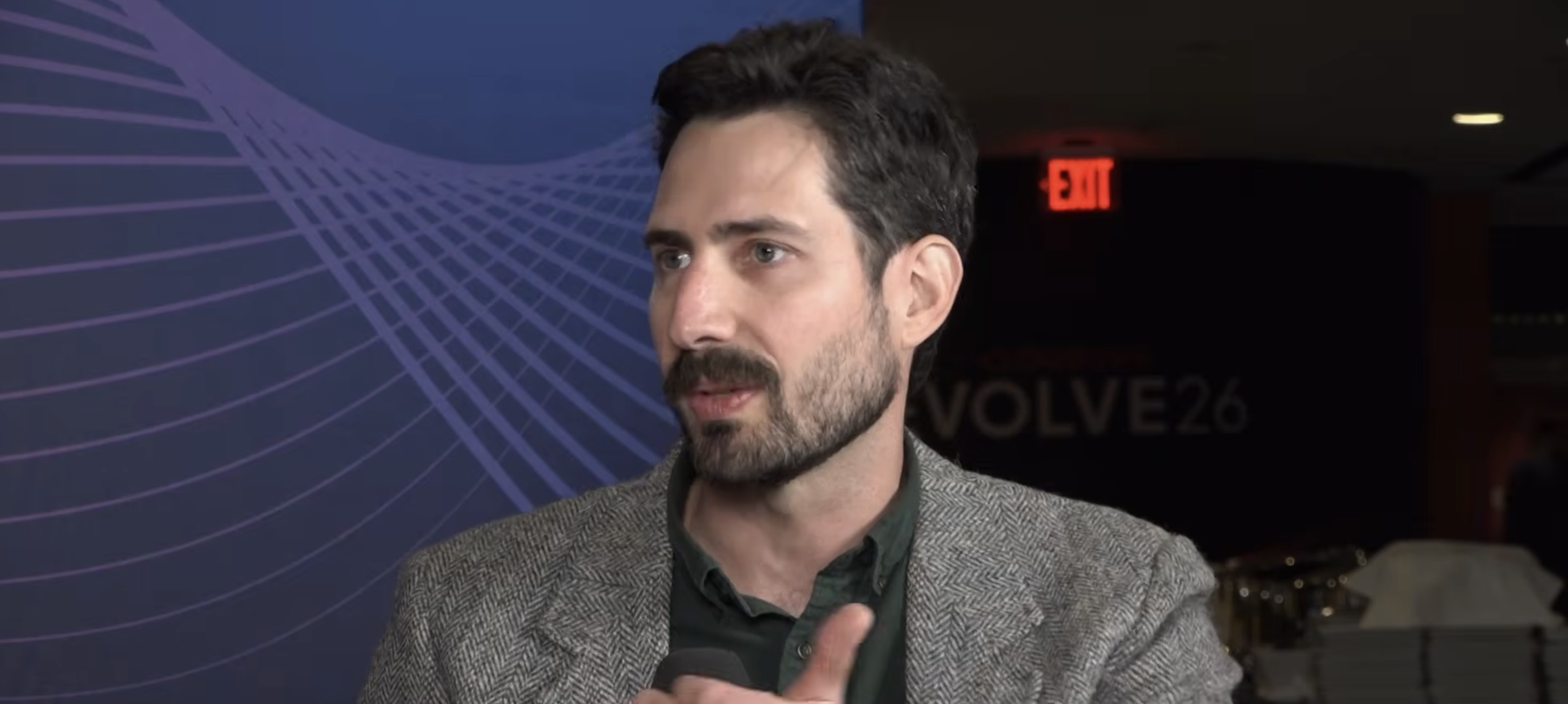
Humanitarian organizations operating in conflict zones are leveraging AI agents to accelerate the research phase from crisis onset to actionable insight. Cloudera Inc. has structured its AI strategy around flexible deployment, enabling a nonprofit partner to test agentic workflows on the front lines. This approach aims to give analysts a faster starting point for rapid response. The practical implication is that teams can reduce the time spent on data gathering and synthesis, allowing quicker decision‑making in high‑stakes environments.
⚡ Key Takeaways
- Deployment flexibility is central to Cloudera’s AI strategy for humanitarian use cases.
- The solution is built around AI agents that automate parts of the research workflow.
- Faster research cycles can improve response times in conflict zones.
By cutting the research latency, AI agents enable humanitarian responders to act on emerging crises more swiftly, directly impacting the effectiveness of aid delivery.
✅ Practical Steps
- Apply the concepts from this article to your own system design.
Want the full story? Read the original article.
Read on SiliconANGLE AI ↗