Agents expose the limitations of trust
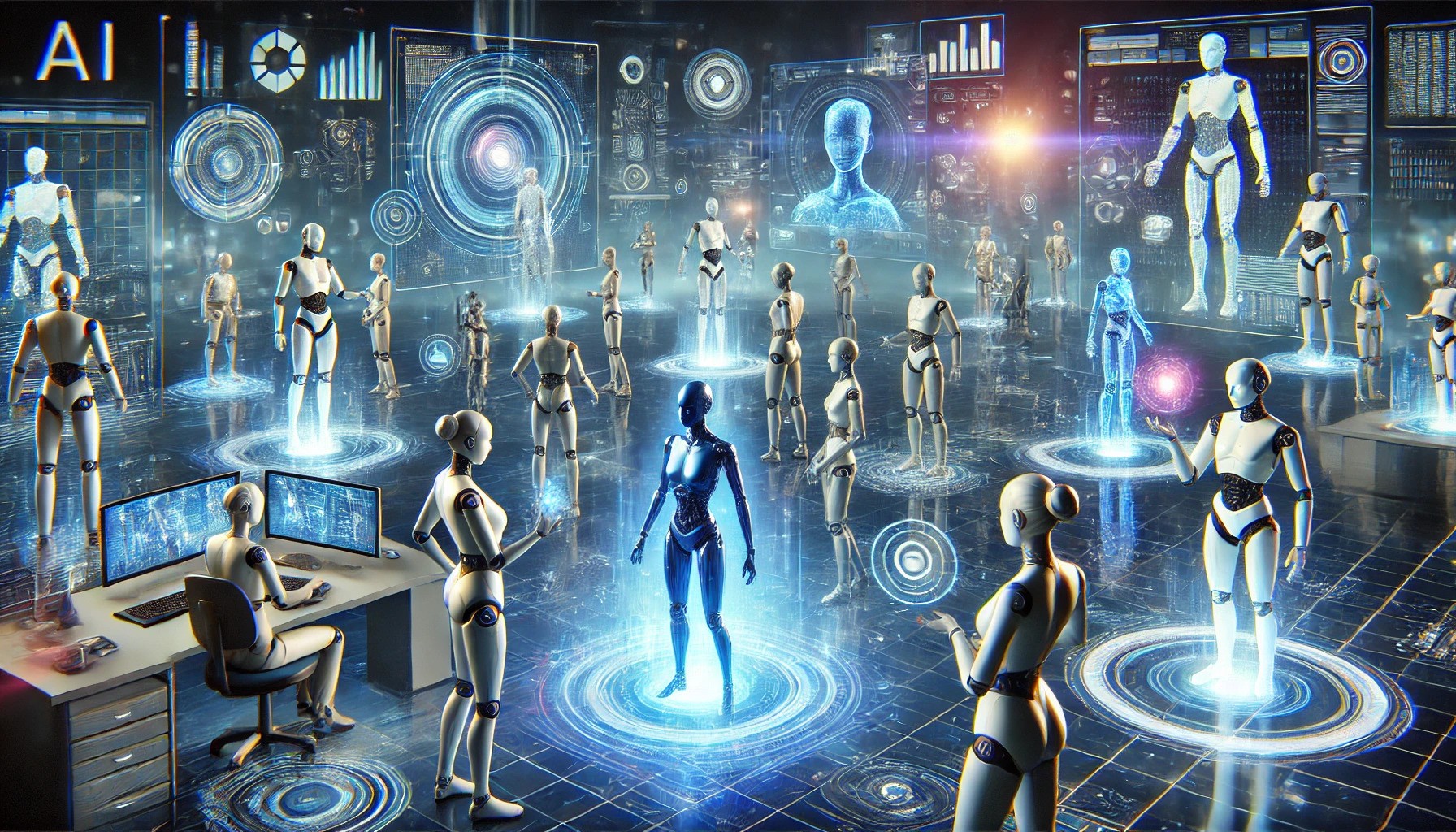
The article argues that autonomous, agentic AI systems fundamentally shift the traditional chain‑of‑trust model used in enterprise computing. By retrieving information, making decisions, invoking external tools, and collaborating with other agents, these systems reduce human oversight and expose new trust challenges. Engineers must reconsider security and governance frameworks when integrating such agents. The practical implication is that AI‑driven automation requires fresh trust and verification mechanisms beyond existing cloud and identity controls.
⚡ Key Takeaways
- Agents can retrieve information, make decisions, invoke external tools, and collaborate with other agents.
- Autonomous decision‑making replaces humans as the ultimate decision‑makers in the trust chain.
- Trust models must be redesigned to account for AI agents operating without direct human supervision.
- Integration of agents demands new security and governance policies to mitigate risk.
- Existing enterprise trust assumptions may no longer hold when agents act autonomously.
Engineers deploying autonomous agents must build new verification and governance layers, or risk security breaches and loss of control in production AI systems.
✅ Practical Steps
- Apply the concepts from this article to your own system design.
Want the full story? Read the original article.
Read on SiliconANGLE AI ↗